
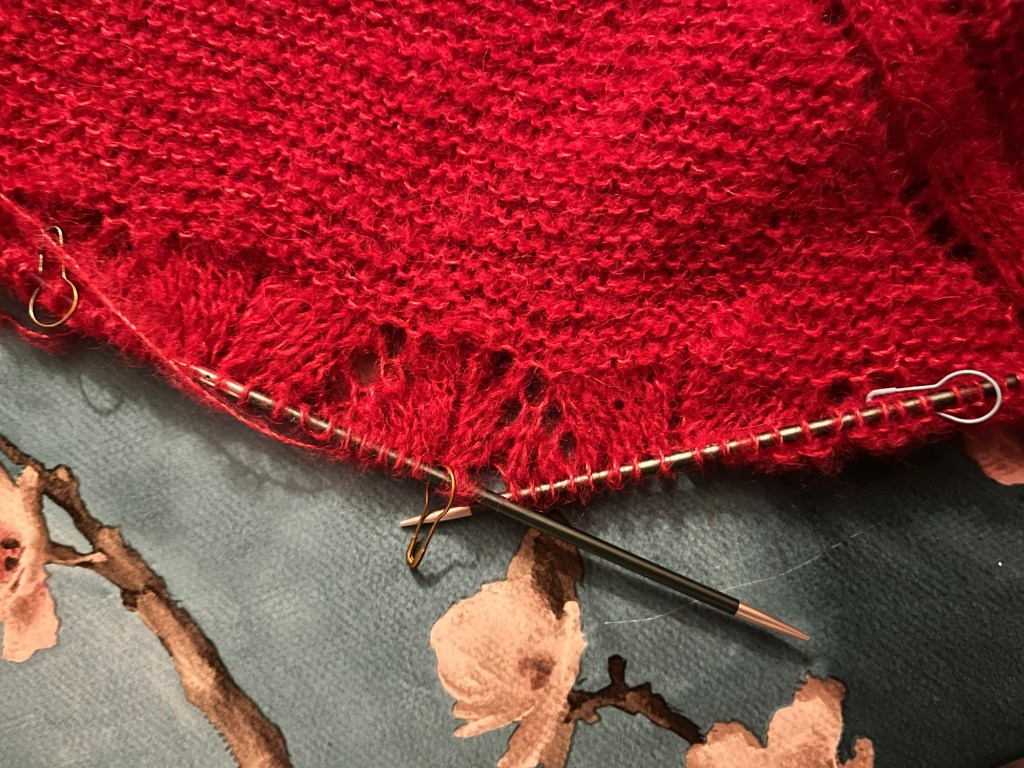
The therapeutic benefits of knitting
Knitting, a centuries-old craft, has recently been recognized for its therapeutic benefits. The repetitive and rhythmic motions involved in knitting can induce a state of mindfulness, similar to meditation. This can help reduce stress levels, lower blood pressure, and even decrease heart rate.
Moreover, knitting requires a level of concentration that can help distract from chronic pain or negative thoughts. It can provide a sense of purpose and achievement, especially when a project is completed. This can boost self-esteem and contribute to improved mental well-being.
Additionally, the social aspect of knitting should not be overlooked. Joining a knitting group or sharing your projects online can foster a sense of community and belonging, which is beneficial for mental health. In conclusion, knitting is not just a creative outlet, but also a valuable tool for enhancing overall well-being.
the history of knitting
1. Ancient Origins: Knitting is believed to have originated in the Middle East in the 5th century and spread to Europe by the 11th century. The oldest knitted artifacts are socks from Egypt, dating from the 11th century CE.
2. Medieval Knitting: In the Middle Ages, knitting was a male-dominated occupation. Knitting guilds were established, where men underwent rigorous apprenticeships to become master knitters.
3. The Knitting Machine: The invention of the knitting machine in the 16th century revolutionized the industry. Hand knitting became less of a necessity and more of a hobby.
4. Knitting in Wars: During both World Wars, knitting for soldiers was a common way for those at home to contribute to the war effort. Patterns for socks, hats, and scarves were distributed, and wool was rationed.
6. Modern Knitting: Today, knitting is enjoyed by people of all genders and ages. It’s seen as a creative hobby, a form of therapy, and even a political act (think of the “pussyhat” project).
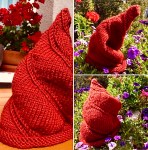
The “Pussyhat Project” is a social movement focused on raising awareness about women’s issues and advancing human rights. It started in 2017 as a response to the inauguration of the U.S. President Donald Trump, and it quickly became a symbol of the Women’s March that took place on January 21, 2017.
The project encouraged people to knit, crochet, or sew pink cat-eared hats, known as “pussyhats”. The name is a play on words, referencing both the cat ears on the hats and a controversial comment made by Trump. The hats became a powerful visual statement, creating a sea of pink at the marches and drawing attention to the cause. The project aimed to provide people who could not physically attend the marches a way to represent themselves and support women’s rights.
What do you also use knitting as therapy?
With love,
Doinita















 Make it Beautiful - Inner Growth Studio
You must be logged in to post a comment.