

When it comes to fabrics that have stood the test of time, cotton yarn is a true classic. Loved for its softness, durability, and natural beauty, cotton is a staple in wardrobes around the world. But did you know that choosing cotton garments can also be a great decision for the environment? Let’s explore the wonderful properties and benefits of cotton yarn and discover why it’s a fantastic choice for both you and the planet.
The Comfort and Versatility of Cotton Yarn
1. Softness and Breathability
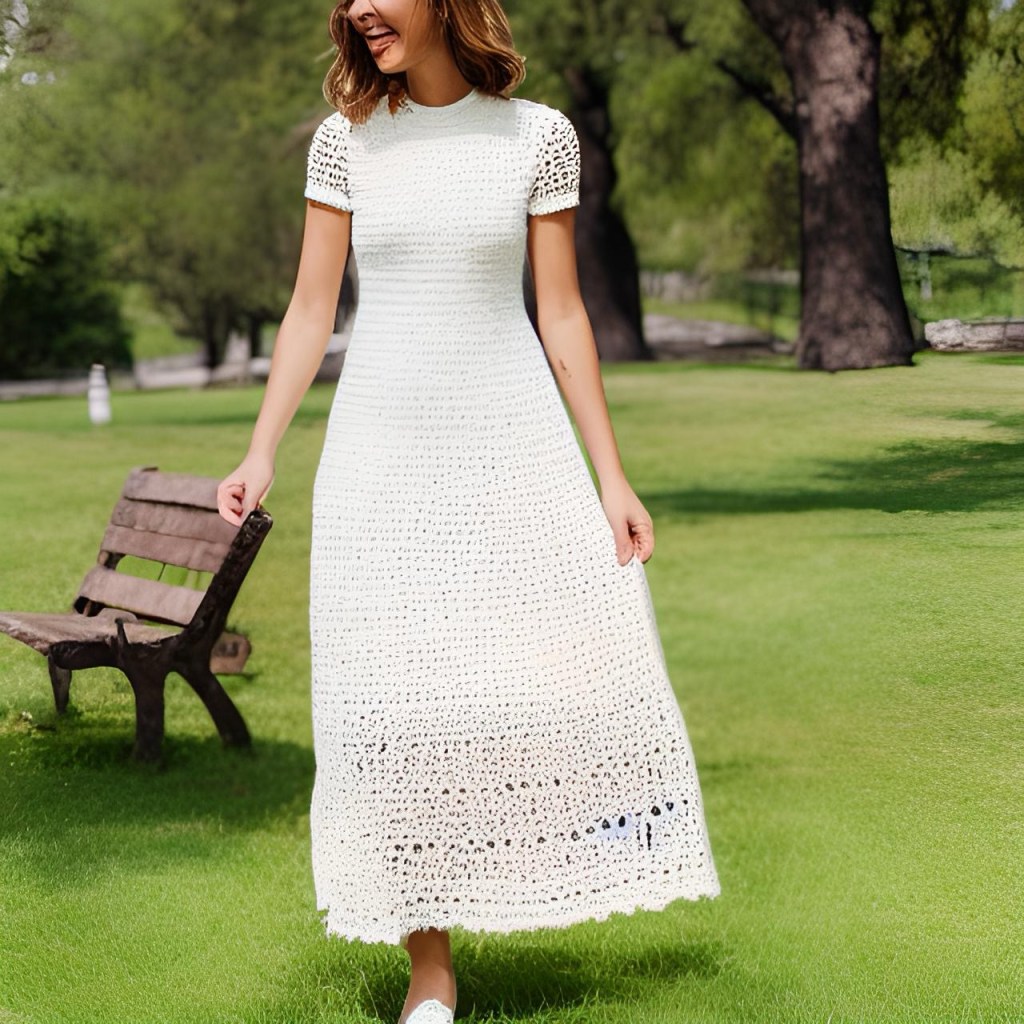
Cotton yarn is renowned for its softness, making it a comfortable choice for everyday wear. Whether it’s a cozy sweater, a light summer dress, or a pair of comfy pajamas, cotton feels gentle against your skin. Its natural breathability ensures that air circulates freely, keeping you cool and comfortable, especially in warmer weather.
2. Moisture Absorption
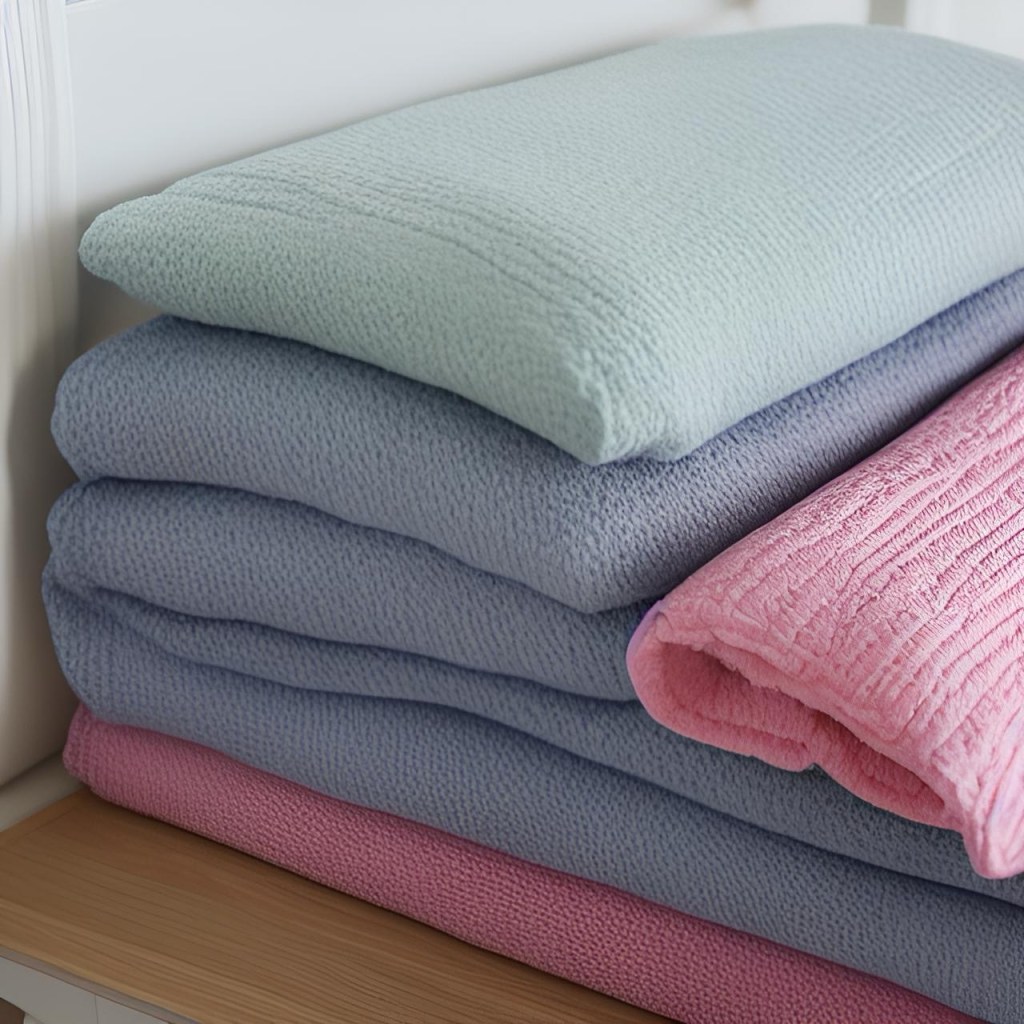
Cotton is highly absorbent, which means it can efficiently wick away moisture from your skin. This property makes cotton garments particularly comfortable in humid conditions or during physical activity. Cotton towels, for instance, are a staple in many households for their ability to absorb moisture effectively.

3. Hypoallergenic
Cotton is a natural fiber that is less likely to cause skin irritation or allergies compared to synthetic fibers. This makes it an excellent choice for people with sensitive skin, including babies and those with skin conditions like eczema. Cotton’s hypoallergenic properties ensure that it’s gentle and safe for everyone.
4. Durability
Despite its softness, cotton yarn is incredibly durable. Cotton fibers are strong and can withstand repeated washing and wear without losing their shape or quality. This durability ensures that cotton garments remain a staple in your wardrobe for years, offering excellent value for your investment.
Environmental Benefits of Cotton Yarn
1. Renewable and Biodegradable
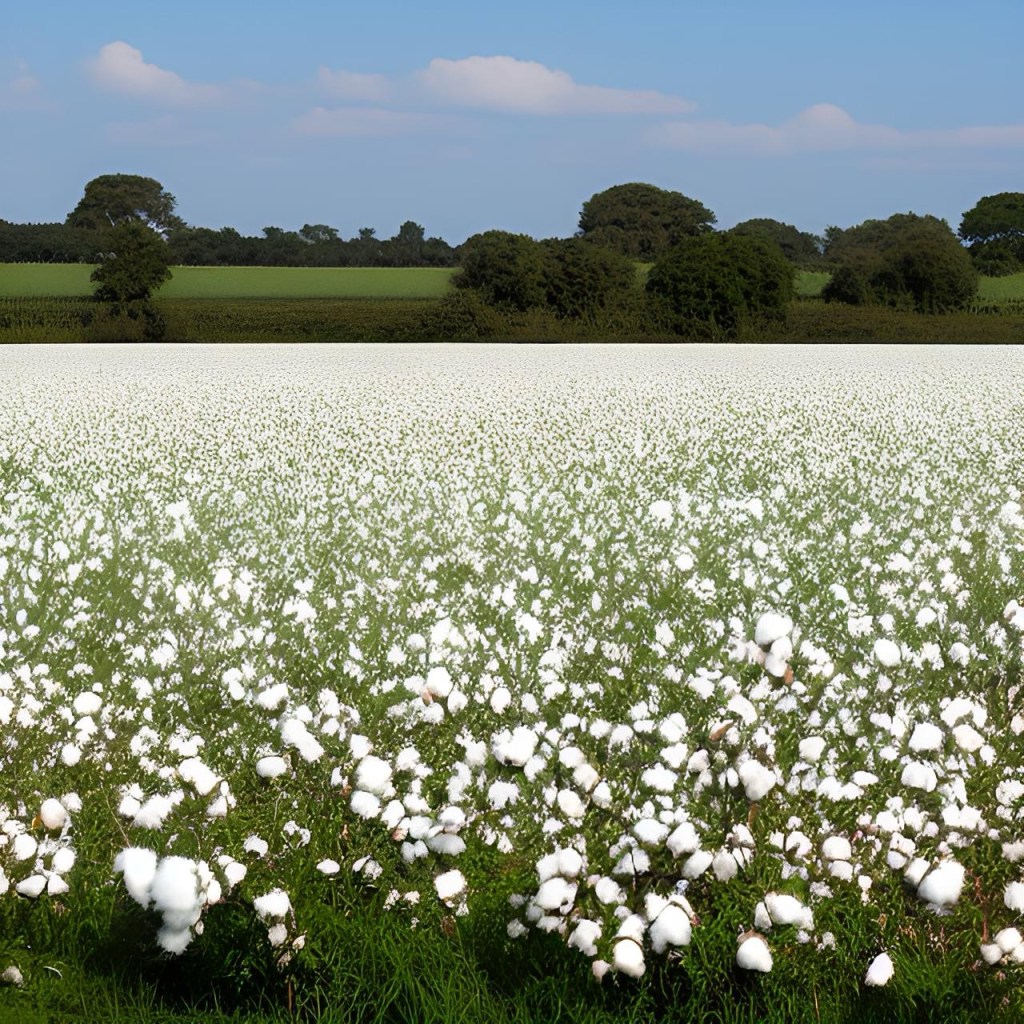
Cotton is a natural and renewable resource. It is grown from cotton plants, which are cultivated annually, providing a continuous supply of this versatile fiber. Additionally, cotton is biodegradable, meaning that it breaks down naturally over time without leaving harmful residues, unlike many synthetic fibers.
2. Lower Environmental Impact
The cultivation and processing of cotton have evolved to become more environmentally friendly. Sustainable farming practices, such as organic cotton farming, reduce the need for harmful pesticides and synthetic fertilizers, minimizing the environmental impact. Organic cotton farming also promotes soil health and biodiversity.
3. Reduced Water and Energy Usage
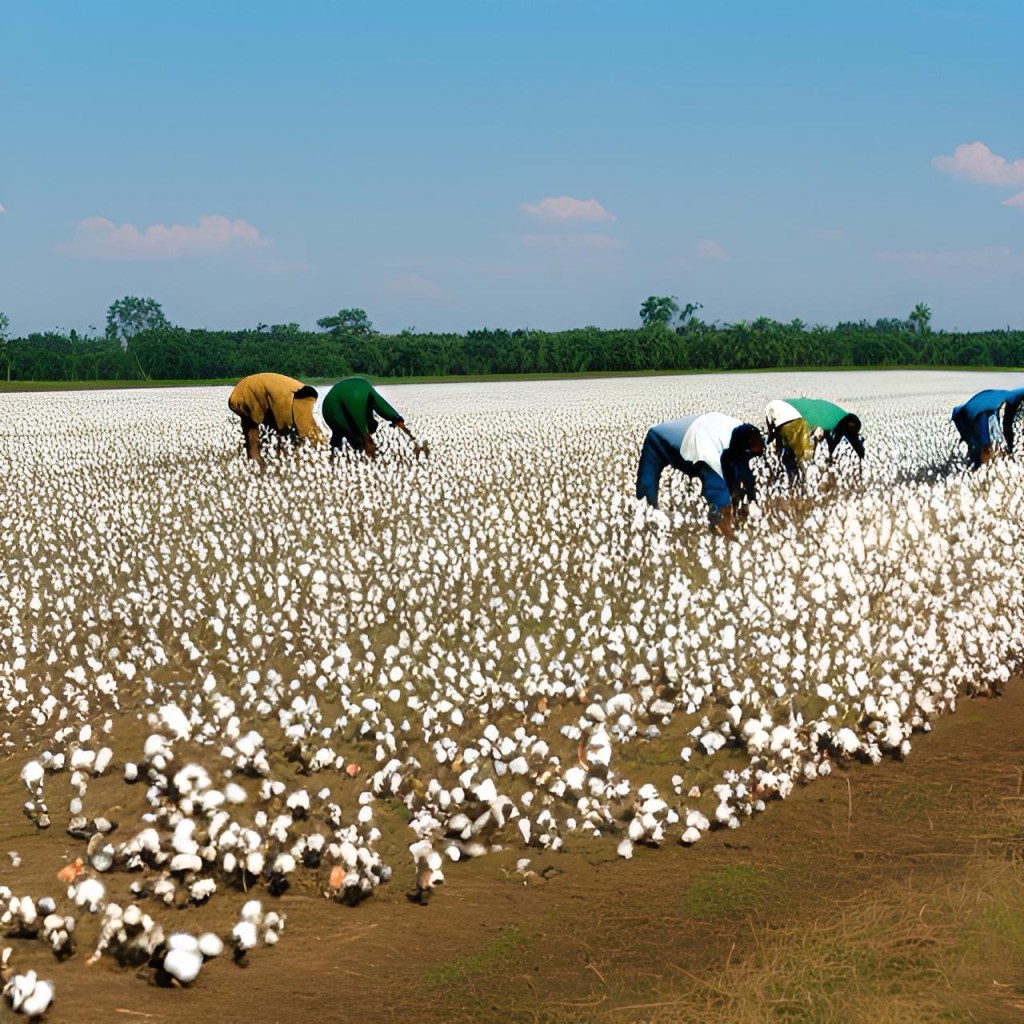
Advancements in cotton farming and processing techniques have significantly reduced water and energy consumption. Modern irrigation methods and rain-fed cotton farming help conserve water, while energy-efficient processing technologies lower the carbon footprint of cotton production. Additionally, cotton garments often require less energy-intensive care, as they can be washed in cold water and air-dried.
4. Eco-Friendly Alternatives
Choosing cotton yarn supports the development of eco-friendly alternatives to synthetic fabrics. Innovations like recycled cotton yarn, which is made from pre-consumer and post-consumer cotton waste, further enhance the sustainability of cotton products. These practices contribute to a circular economy, reducing waste and promoting resource efficiency.
Why Choose Cotton Yarn?
Opting for cotton yarn means embracing a fabric that offers comfort, versatility, and environmental benefits. Whether you’re looking for everyday basics, stylish fashion pieces, or cozy home textiles, cotton has you covered. Its natural properties make it a joy to wear, while its sustainability credentials align with a growing commitment to eco-friendly living.
So, next time you’re shopping for new clothes or home essentials, consider reaching for cotton. You’ll experience the timeless comfort and durability of this natural fiber, all while making a positive impact on the environment. By choosing cotton yarn, you’re supporting a sustainable future, one cozy garment at a time.























 Make it Beautiful - Inner Growth Studio
You must be logged in to post a comment.