
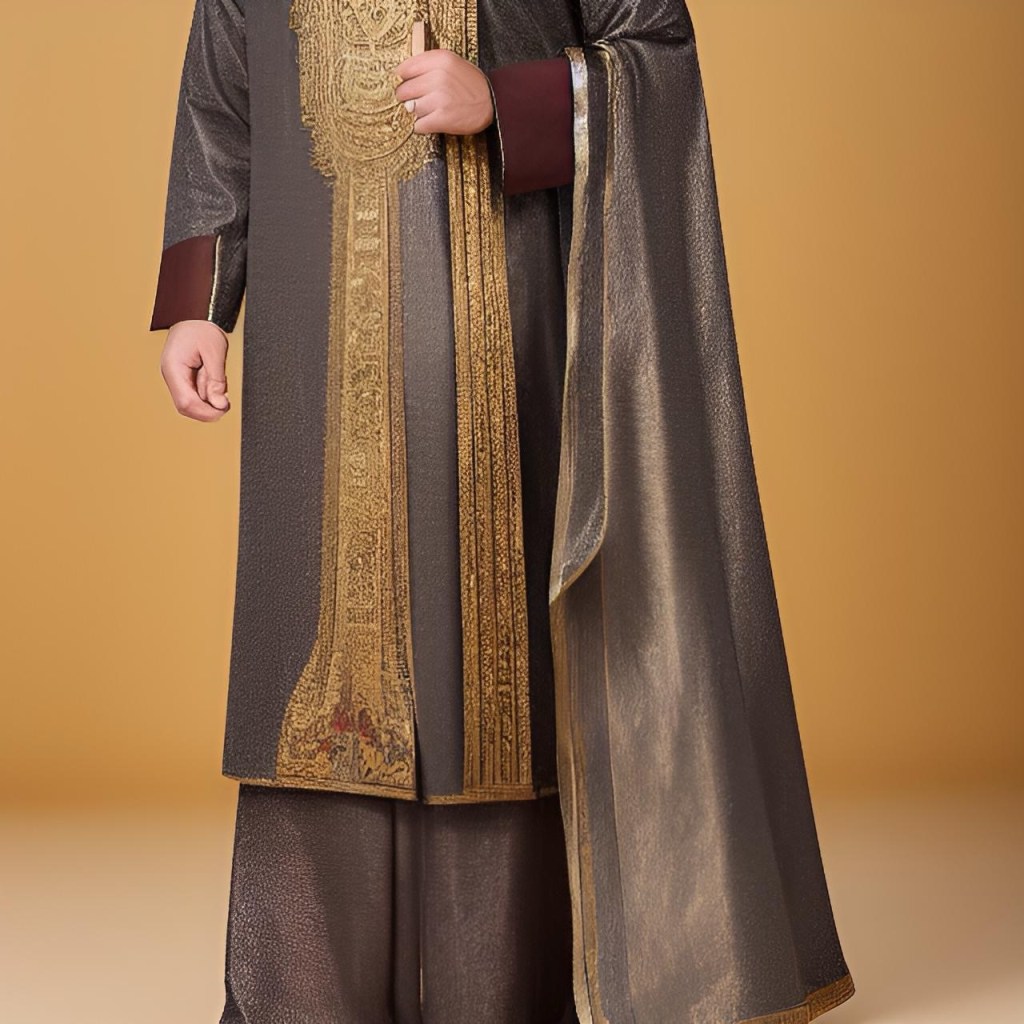
Silk, often referred to as the “queen of fibers,” has been coveted for centuries due to its unparalleled softness, sheen, and strength. This natural protein fiber, produced by silkworms, is not only a symbol of luxury but also a sustainable choice for eco-conscious consumers. Let’s explore the unique properties and benefits of silk yarn, its production process, and why incorporating silk into your wardrobe is an excellent decision for both you and the planet.

The Unique Properties of Silk Yarn
1. Luxurious Softness and Sheen
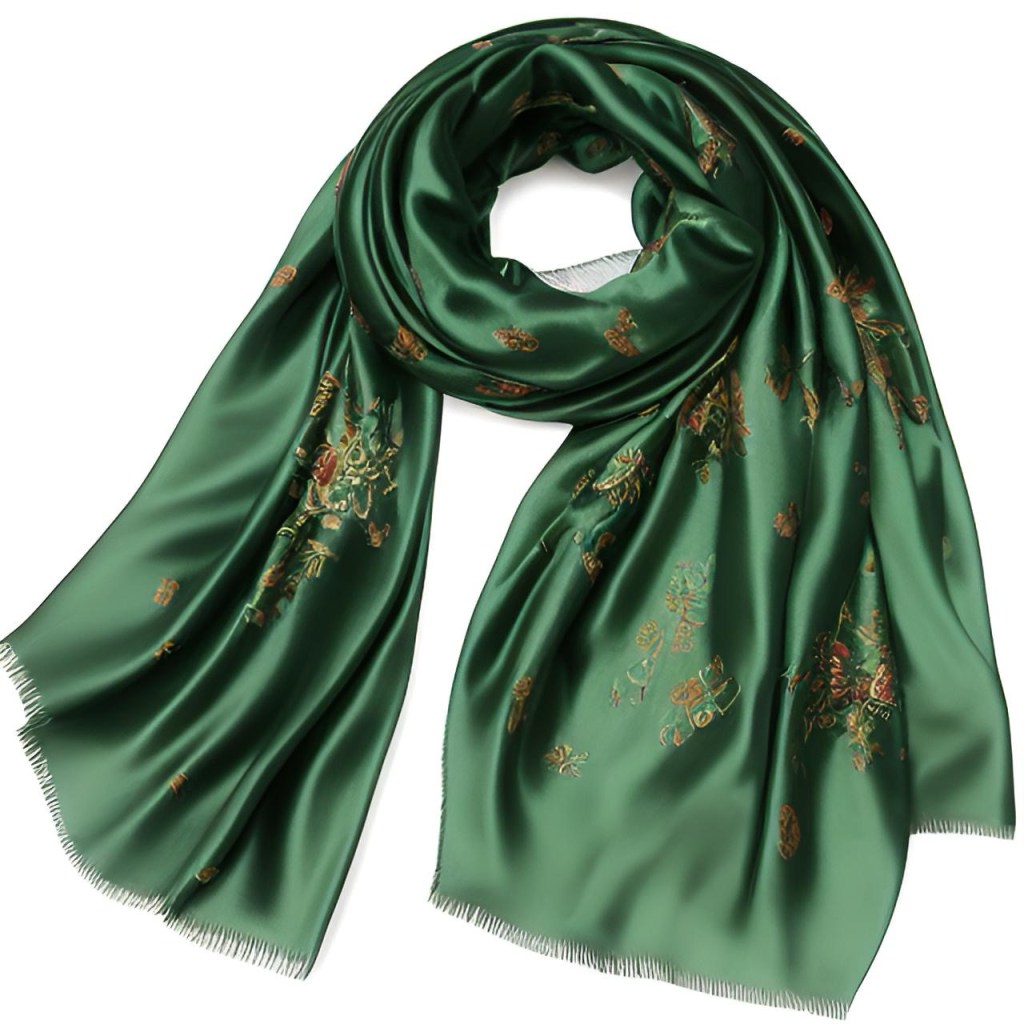
Silk is synonymous with luxury. Its smooth, soft texture feels gentle against the skin, providing unmatched comfort. The natural sheen of silk yarn gives garments a beautiful, lustrous appearance, making them perfect for elegant attire and accessories.
2. Strength and Durability
Despite its delicate appearance, silk is one of the strongest natural fibers. The long, continuous fibers of silk contribute to its durability, allowing silk garments to last for years with proper care. This strength makes silk suitable for a wide range of applications, from clothing to home textiles.
3. Breathability and Temperature Regulation
Silk is highly breathable and has excellent moisture-wicking properties. It can absorb up to 30% of its weight in moisture without feeling damp, helping to regulate body temperature. Silk keeps you cool in the summer and warm in the winter, making it a versatile fabric for all seasons.
4. Hypoallergenic and Skin-Friendly
Silk is naturally hypoallergenic, making it ideal for people with sensitive skin or allergies. It repels dust mites and other common allergens, contributing to a healthier living environment. Silk’s smooth texture also reduces friction against the skin, which can help prevent irritation and wrinkles.

The Environmental Benefits of Silk Yarn
1. Renewable and Biodegradable
Silk is a renewable resource, as it is produced by silkworms that can be farmed sustainably. The production of silk is a natural process that doesn’t rely on synthetic chemicals. Additionally, silk is biodegradable, decomposing naturally without leaving harmful residues, unlike many synthetic fibers.
2. Low Environmental Impact
Silk production has a relatively low environmental footprint. Silkworms feed on mulberry leaves, which require minimal pesticides and fertilizers. The farming and harvesting processes are less energy-intensive compared to synthetic fiber production. Moreover, silk dyeing processes have become increasingly eco-friendly, with many producers using natural dyes.
3. Supporting Traditional Practices and Communities:
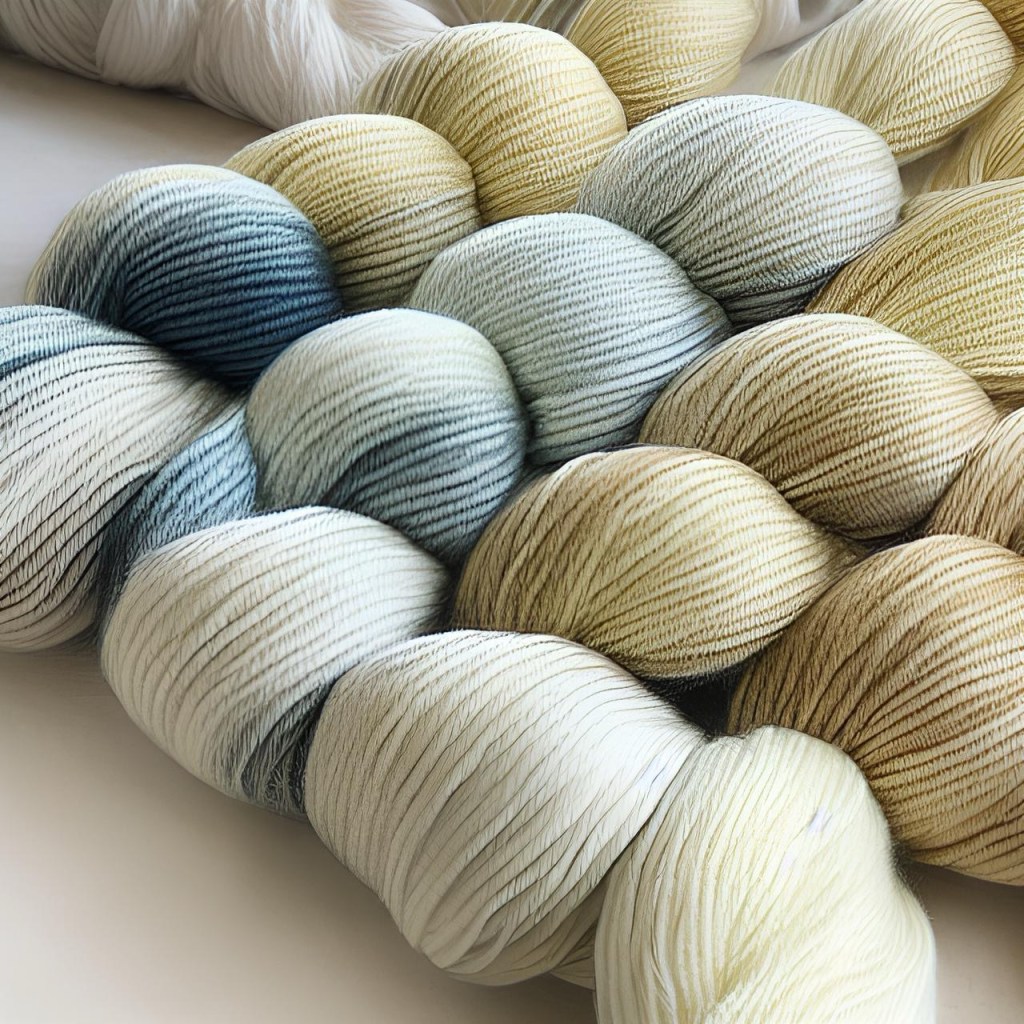
Silk production often supports traditional farming and weaving practices, particularly in regions where sericulture (silk farming) has been a cultural heritage for centuries. By choosing silk products, you contribute to the livelihoods of artisans and farmers in these communities, promoting sustainable economic development.
How Silk is Produced: An Insight into Sericulture
Silk production, known as sericulture, involves several key steps:
1. Raising Silkworms
Silkworms, primarily the larvae of the Bombyx mori moth, are cultivated in controlled environments. They are fed a diet of mulberry leaves, which are essential for their growth and silk production.
2. Spinning the Cocoon
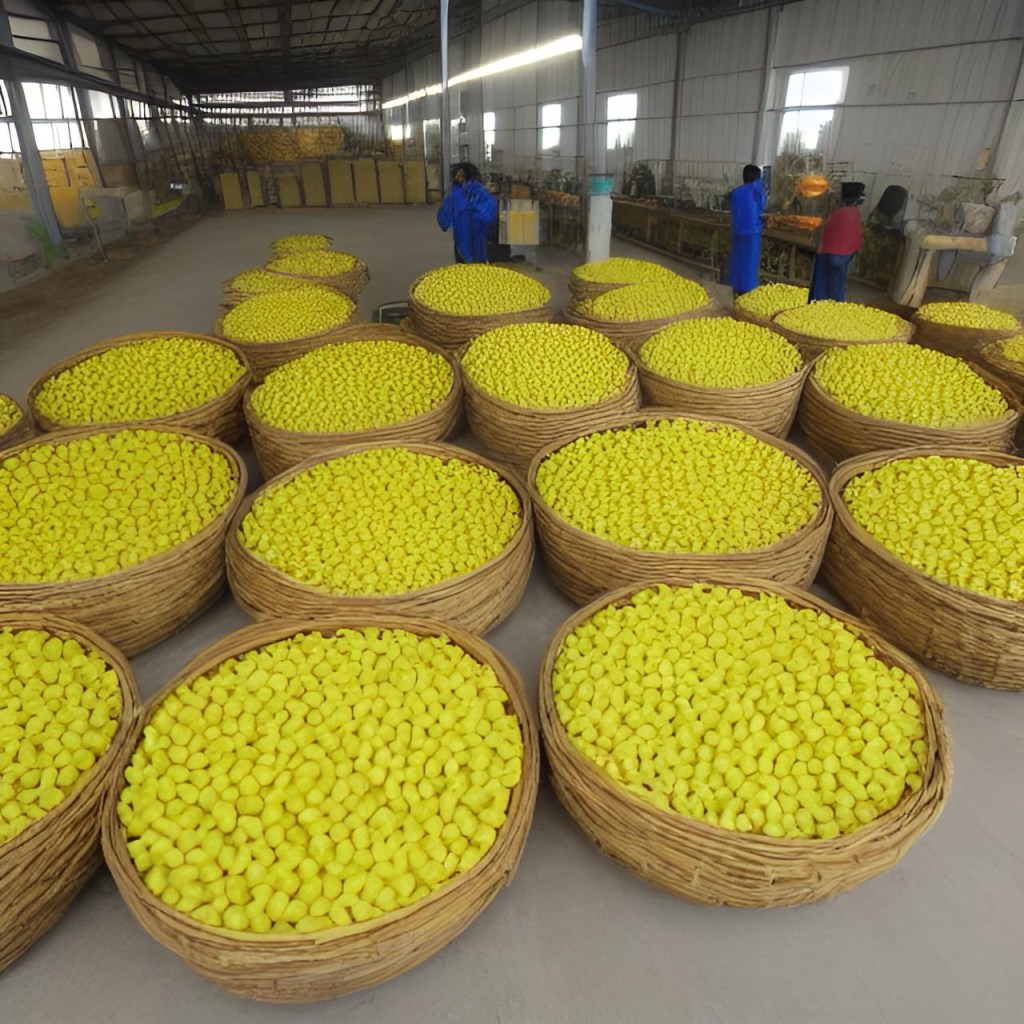
Once the silkworms mature, they spin cocoons made of a continuous silk filament. This process can take several days, during which the silkworm secretes fibroin (the protein fiber) and sericin (a bonding agent).
3. Harvesting the Silk
The cocoons are harvested and subjected to a process called “reeling,” where the silk filaments are carefully unwound. Each cocoon can yield approximately 1,000 meters of silk filament.
4. Processing and Weaving
The raw silk filaments are then twisted into threads and woven into fabric. This fabric can be dyed and finished to create luxurious silk garments and textiles.
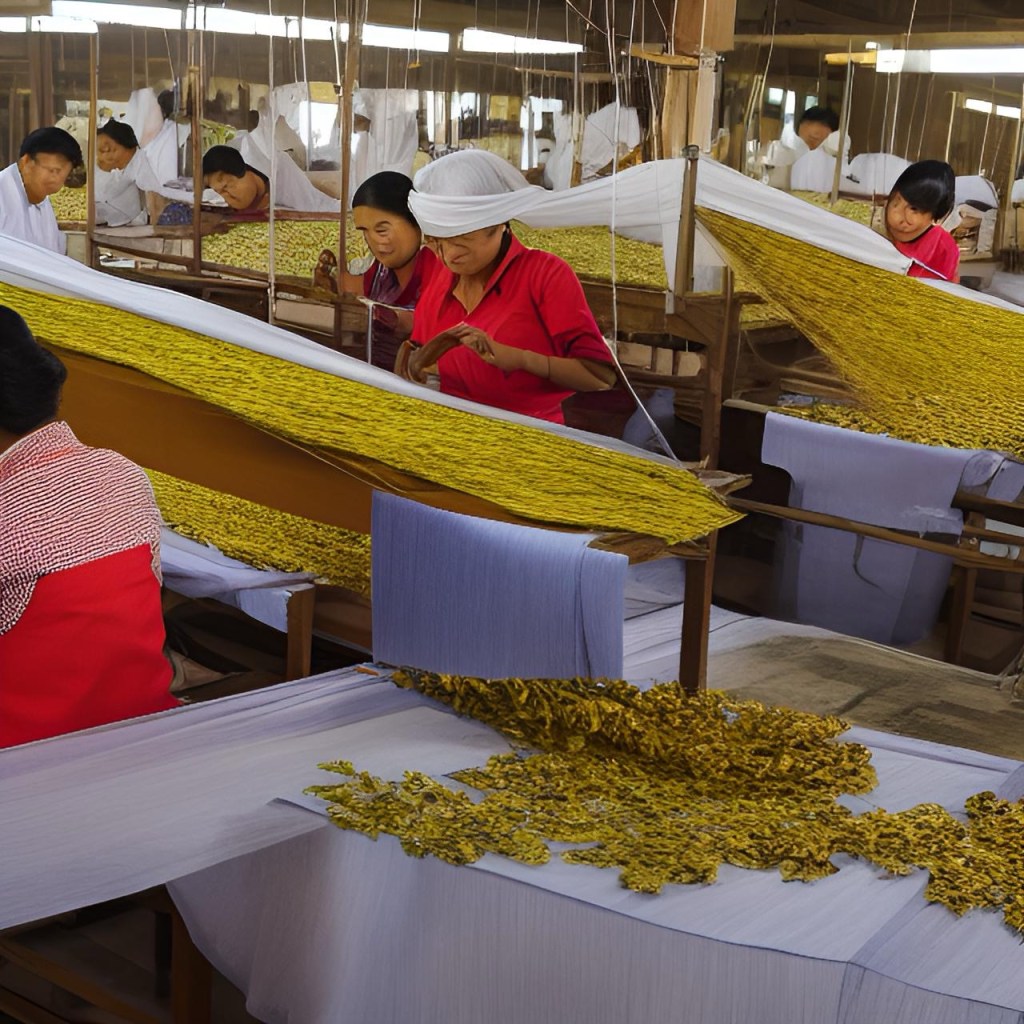
Key Regions and Environmental Needs for Silk Production
Regions
Silk production is prominent in several countries, with China and India being the largest producers. Other notable producers include Thailand, Vietnam, Uzbekistan, and Brazil. Each of these regions has a rich tradition of silk farming and weaving.
Environmental Needs
– Climate: Silk farming requires a warm, humid climate. The ideal temperature for silkworms is between 20°C and 28°C.
– Mulberry Cultivation: Mulberry trees thrive in regions with ample rainfall and well-drained, fertile soil. The quality of mulberry leaves directly affects the quality of silk produced.
– Controlled Environment: Silkworms are highly sensitive to environmental conditions, requiring a controlled environment free from pollutants and extreme weather conditions.

Market Insights and Sales Numbers
The global silk market has seen steady growth, driven by increasing demand for luxury textiles and eco-friendly fabrics. According to recent market reports, the global silk market was valued at approximately $15 billion in 2022 and is projected to grow at a compound annual growth rate (CAGR) of around 4-5% over the next decade. China dominates the market, contributing to over 70% of global silk production, followed by India.
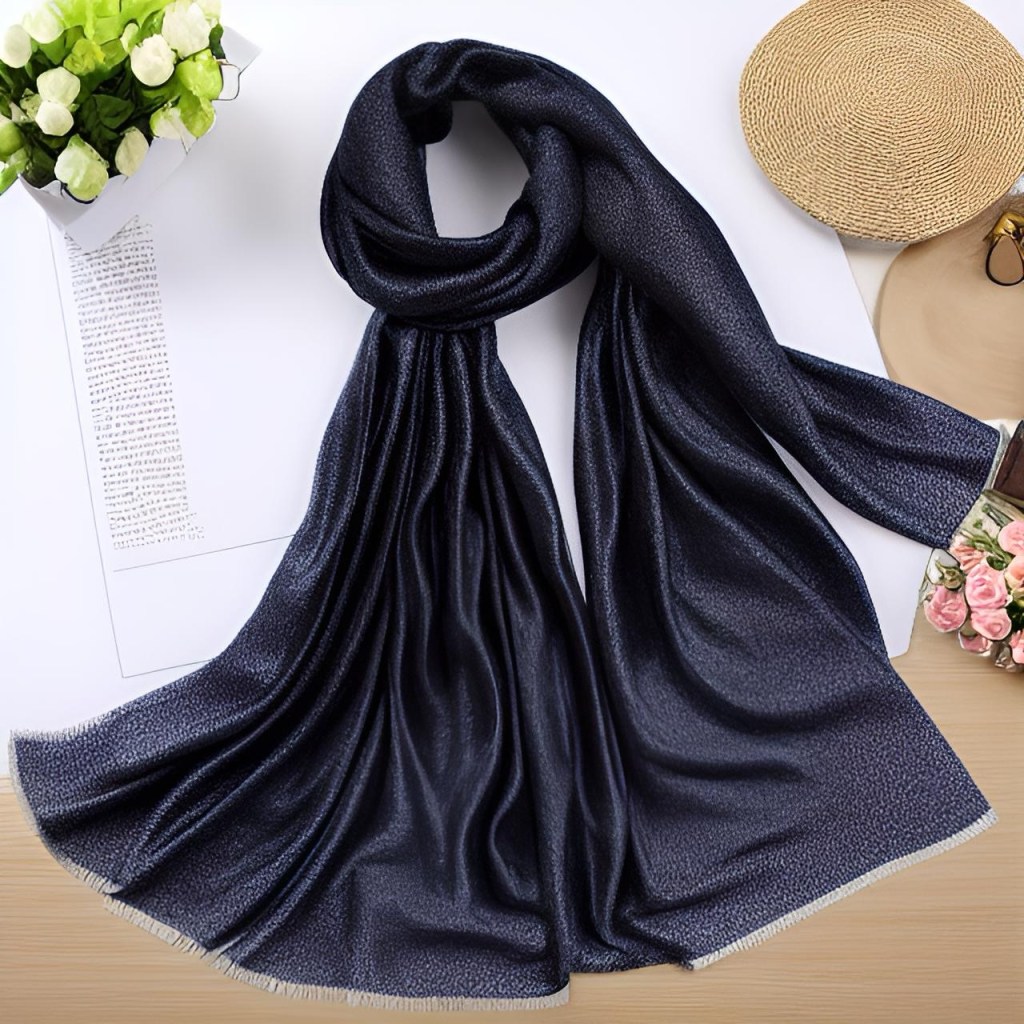
Why Choose Silk Yarn?
Choosing silk yarn means embracing a fabric that offers unmatched luxury, comfort, and environmental benefits. Whether you’re looking for elegant evening wear, sophisticated office attire, or luxurious home textiles, silk provides a versatile and sustainable option. Its unique properties make it a joy to wear, while its production supports traditional practices and eco-friendly farming.
So, the next time you’re shopping for new clothes or textiles, consider the many advantages of silk. You’ll enjoy the timeless elegance and durability of this exquisite fiber while making a positive impact on the environment. Silk’s blend of luxury and sustainability offers a perfect balance for those seeking both style and substance in their garments. Embrace the allure and eco-friendliness of silk yarn and discover why it has been cherished for millennia.
Happy Sunday!
With love,
Doinita













 Make it Beautiful - Inner Growth Studio
You must be logged in to post a comment.