
In the world of textiles, blending different natural fibers has become an art form that combines the best properties of each fiber to create garments with superior comfort, performance, and sustainability. Mixing natural fibers such as cotton, wool, silk, linen, and more can offer a range of benefits that enhance our clothing experience and contribute to our well-being. Let’s explore the properties and benefits of these fiber blends and how they positively impact our bodies.
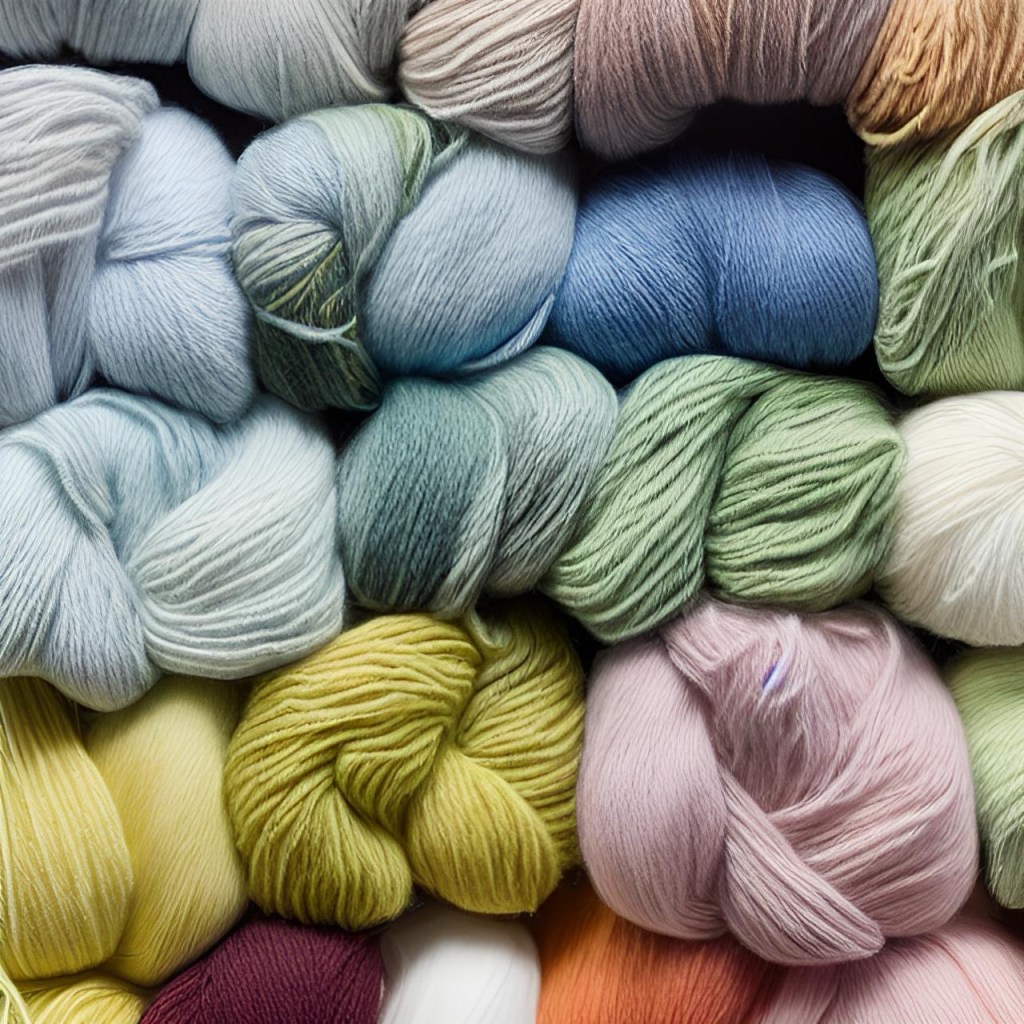
The Benefits of Blending Natural Fibers
1. Enhanced Comfort and Softness:
Combining different natural fibers often results in fabrics that are softer and more comfortable to wear. For instance, blending cotton with silk can produce a fabric that retains the softness of cotton and the luxurious feel of silk. This combination enhances the overall tactile experience, making garments feel more pleasant against the skin.
2. Improved Breathability and Moisture Management:
Natural fibers like cotton and linen are known for their breathability and moisture-wicking properties. When blended with fibers like wool or bamboo, these fabrics can improve their ability to regulate temperature and manage moisture. For example, a cotton-linen blend can keep you cool and dry in hot weather, while a wool-silk blend can provide warmth and wick away sweat in cooler conditions.
3. Increased Durability and Strength:
Blending natural fibers can enhance the durability and strength of fabrics. For instance, combining linen with cotton can result in a fabric that is stronger and more resilient than either fiber alone. This increased durability ensures that garments last longer and can withstand regular wear and washing, making them a sustainable choice.
4. Versatile Aesthetics and Textures:
Natural fiber blends offer a wide range of aesthetic possibilities. Mixing fibers like wool and silk can create fabrics with unique textures and finishes, from the soft sheen of silk to the cozy warmth of wool. These blends allow designers to craft garments that are visually appealing and offer diverse textures, catering to various fashion preferences.
5. Reduced Allergens and Skin Irritation:
Natural fibers are generally hypoallergenic and gentle on the skin. Blending fibers like cotton, silk, and bamboo can minimize the risk of skin irritation and allergies, making these fabrics suitable for people with sensitive skin. The smooth texture of silk combined with the breathable nature of cotton can create a soothing fabric for those prone to skin issues.
Specific Fiber Blends and Their Benefits
1. Cotton-Wool Blend:
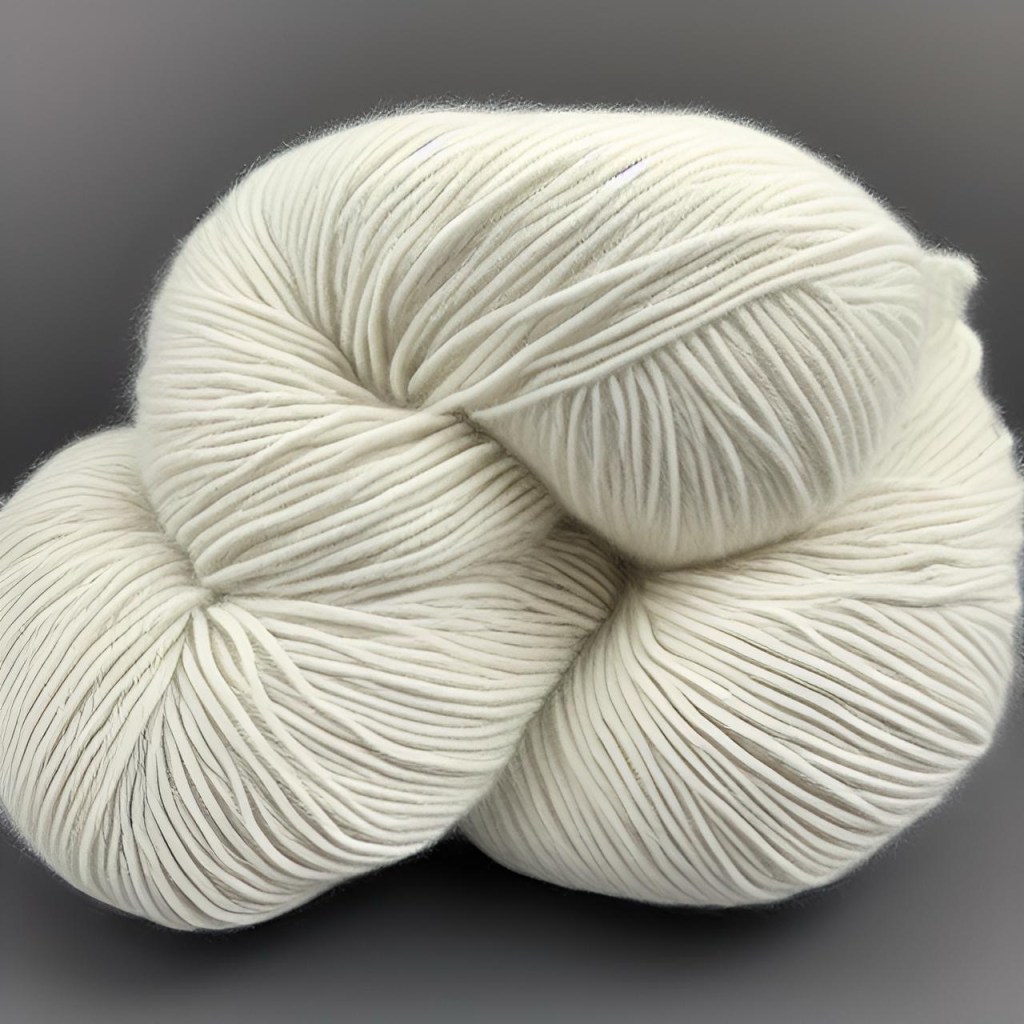
– Properties: Soft, warm, and breathable.
– Benefits: Combines the warmth and moisture-wicking properties of wool with the softness and breathability of cotton. Ideal for layering in cooler weather, providing warmth without overheating.
2. Silk-Linen Blend:
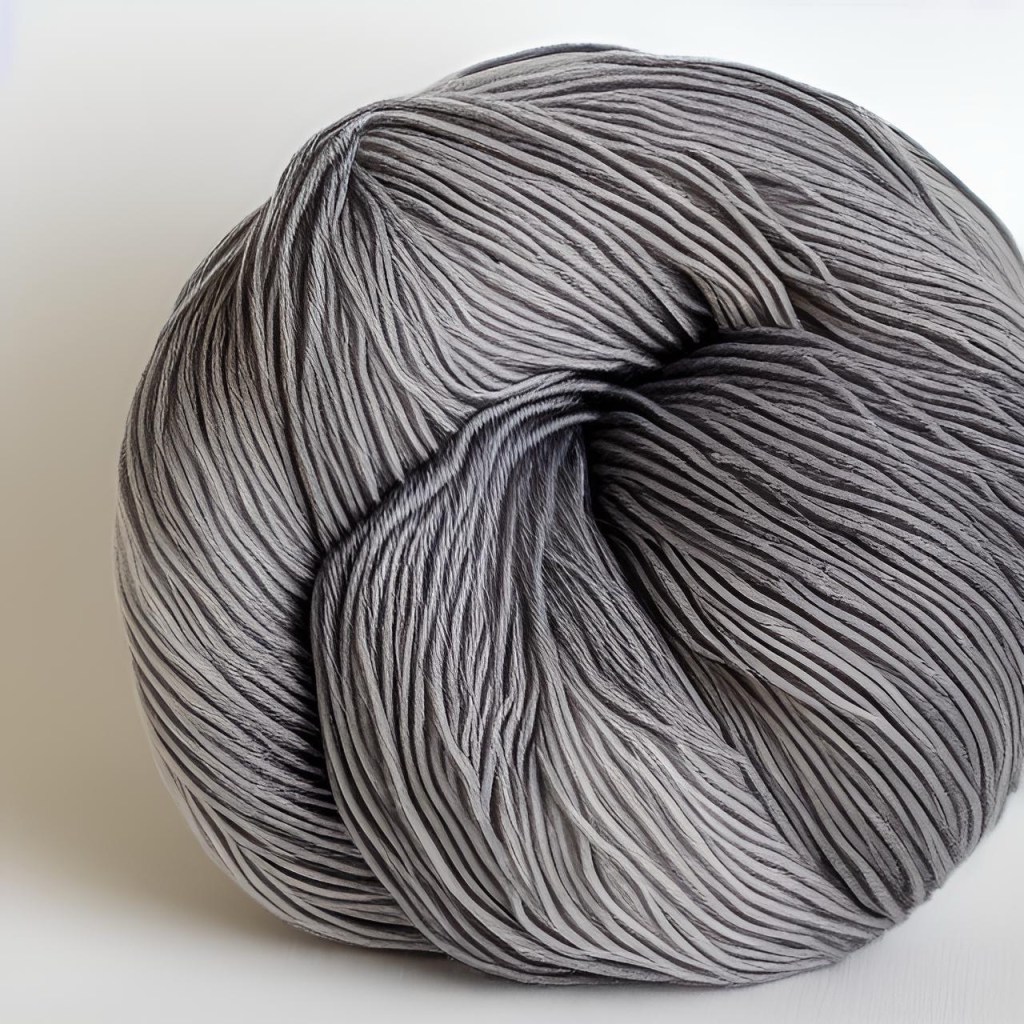
– Properties: Luxurious, strong, and breathable.
– Benefits: Merges the smooth, lustrous feel of silk with the strength and breathability of linen. Perfect for summer garments that offer elegance and comfort.
3. Cotton-Bamboo Blend:
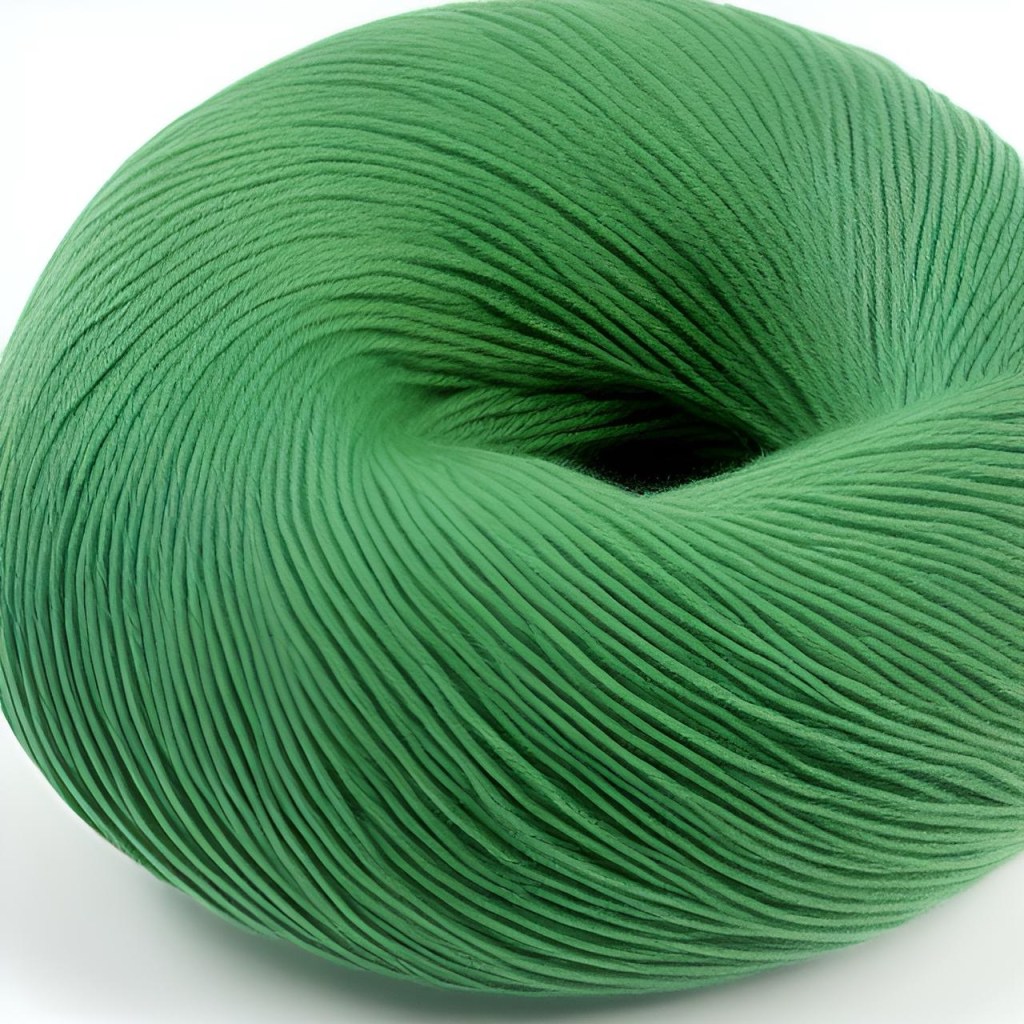
– Properties: Soft, absorbent, and antibacterial.
– Benefits: Blends the softness and moisture-wicking properties of cotton with the antibacterial and eco-friendly qualities of bamboo. Suitable for activewear and everyday basics.
4. Wool-Silk Blend:
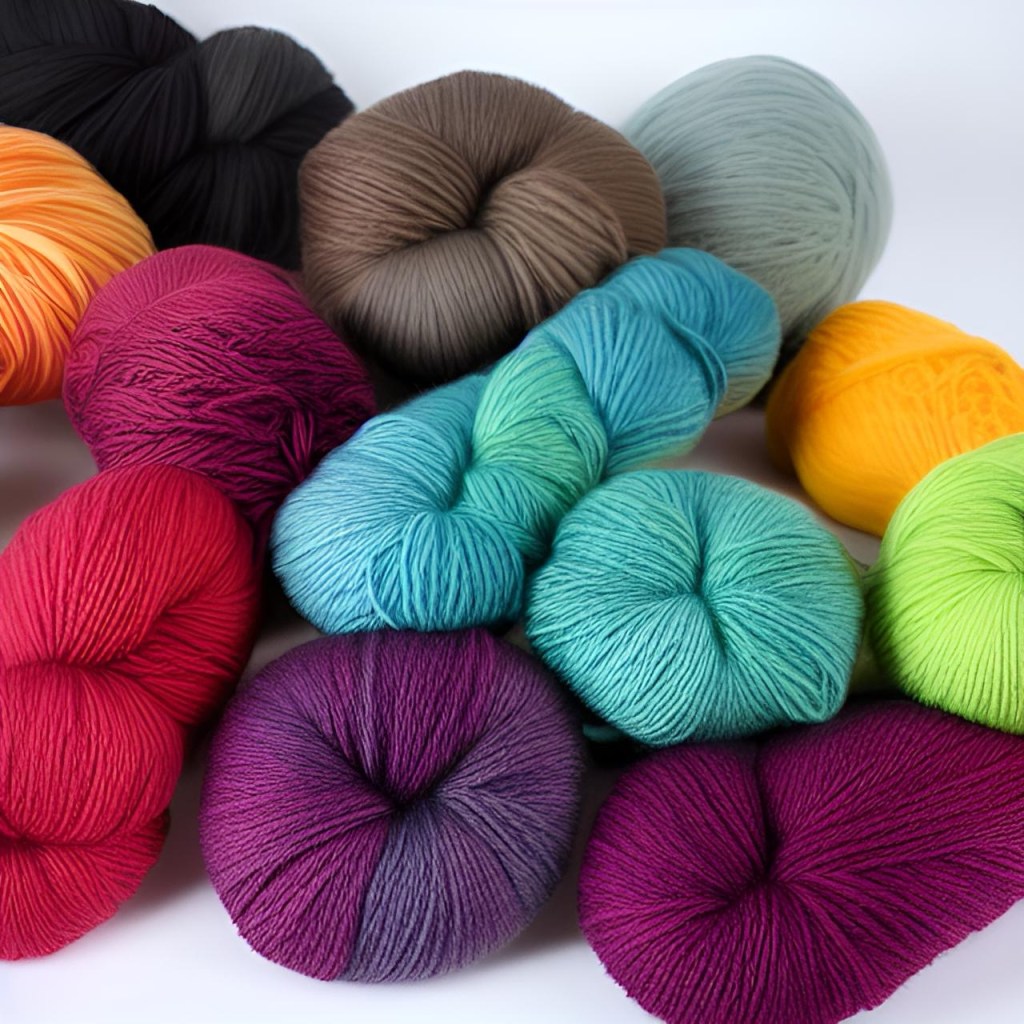
– Properties: Warm, soft, and insulating.
– Benefits: Combines the warmth and resilience of wool with the smoothness and sheen of silk. Excellent for luxurious winter wear that provides insulation and elegance.
5. Linen-Cotton Blend:
– Properties: Durable, breathable, and absorbent.
– Benefits: Mixes the strength and breathability of linen with the softness and absorbency of cotton. Ideal for casual summer wear that is comfortable and durable.
The Positive Effects on the Human Body
1. Temperature Regulation:
Natural fiber blends can help regulate body temperature more effectively than synthetic fibers. By wicking moisture away from the skin and allowing air to circulate, these fabrics keep you cool in the summer and warm in the winter, promoting overall comfort.
2. Skin Health:
Natural fibers are gentle on the skin and less likely to cause irritation. Blends that include hypoallergenic fibers like cotton, silk, and bamboo can reduce the risk of skin allergies and provide a soothing touch, contributing to healthier skin.
3. Enhanced Comfort:
The softness and breathability of natural fiber blends make them extremely comfortable to wear. This enhanced comfort can reduce stress on the body, particularly for those with sensitive skin or conditions like eczema.
4. Moisture Management:
Blended natural fibers excel at managing moisture, keeping the skin dry and comfortable. This is especially beneficial for active individuals or those living in humid climates, as it helps prevent chafing and discomfort.
Conclusion
Blending different natural fibers is a practice that brings out the best qualities of each fiber, resulting in garments that offer superior comfort, durability, and aesthetic appeal. These blends provide enhanced breathability, moisture management, and skin-friendly properties, making them an excellent choice for those seeking both performance and luxury in their clothing. By choosing garments made from natural fiber blends, you not only benefit from their exceptional qualities but also support sustainable and eco-friendly practices in the textile industry. Embrace the versatility and comfort of blended natural fibers and experience the positive effects on your body and well-being.




















 Make it Beautiful - Inner Growth Studio
You must be logged in to post a comment.