

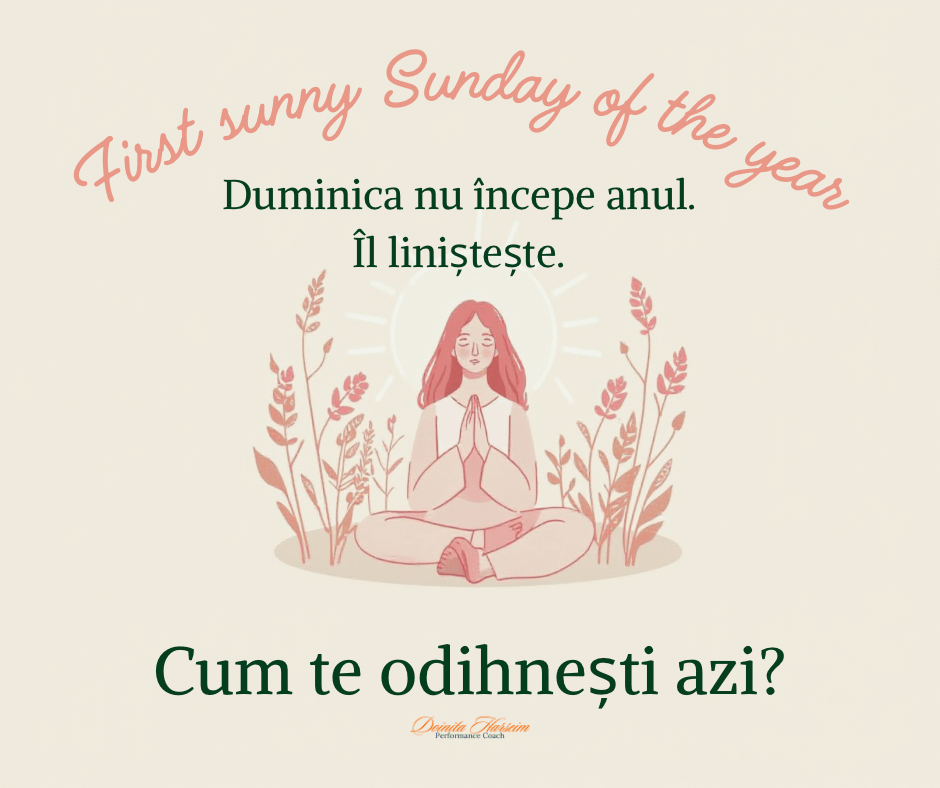
nu cere planuri.
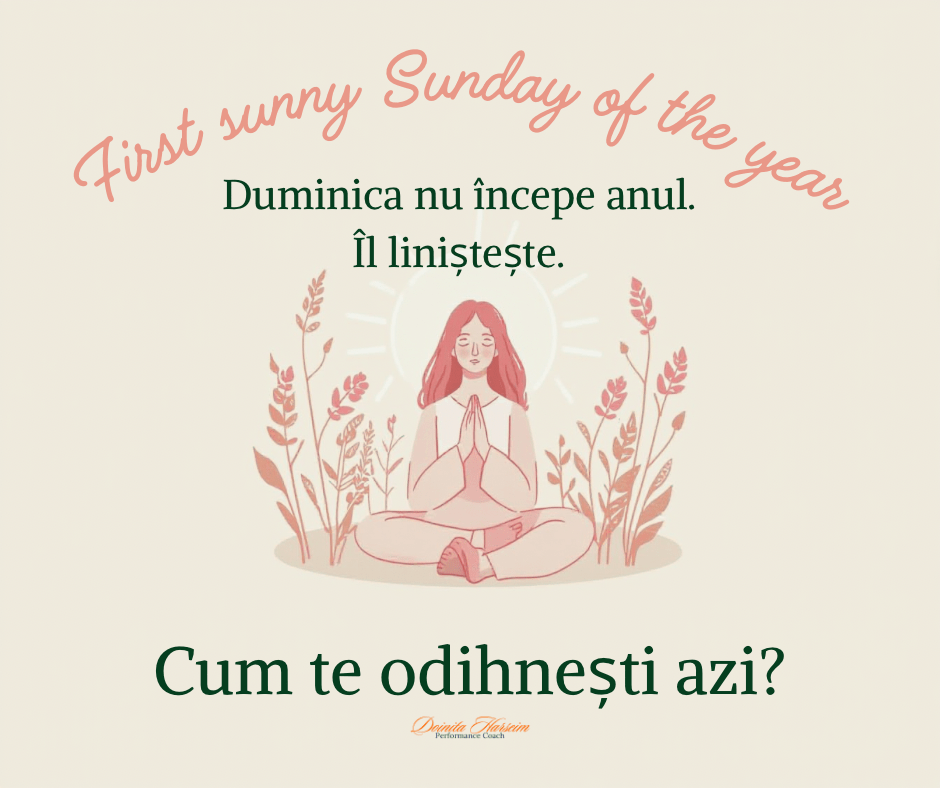
Cere odihnă.
Cere tăcere.
Cere un moment în care
să nu mai fii nimic pentru nimeni.
Nu toate începuturile se văd.
Unele se așază adânc,
într-o respirație lungă,
într-o zi în care nu te grăbești nicăieri.
Astăzi, dacă vrei,
lasă anul să te găsească odihnită.
🙏🏼
#duminicablândă
#odihnacarevindeca
#anul1
#slowstart
#prezenta
#makeitbeautiful
#feminitateblândă
#ritmulmeu
𝐁𝐥𝐮𝐳𝐚 𝐦𝐞𝐚 𝐝𝐞 𝐯𝐚𝐫𝐚̆ – 𝐜𝐮𝐫𝐬 𝐠𝐡𝐢𝐝𝐚𝐭 𝟏:𝟏
Dacă simți că vrei să creezi o bluză de vară,
dar te pierzi între fire, culori și modele,
lucrez acum la un curs ghidat în care te însoțesc pas cu pas – tehnic și emoțional.
“Bluza mea de vară” este un curs 1:1 online, ghidat, în care te însoțesc să îți creezi o bluză de vară croșetată sau tricotată, adaptată corpului, stilului și emoțiilor tale.
Nu urmezi un model rigid, ci înveți o structură flexibilă, pe care o personalizezi cu sprijinul meu.
Dacă simți ca este pentru tine, înscrie-te aici pe lista de așteptare:


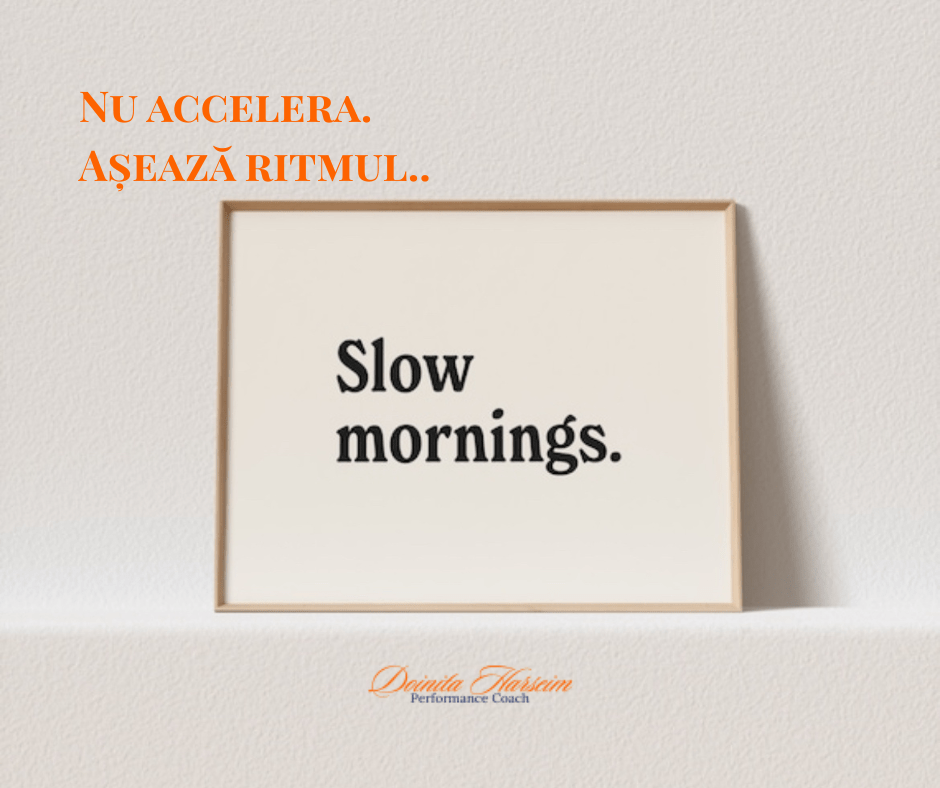
Nu trebuie să ții pasul cu nimeni.

Nu trebuie să recuperezi nimic.
Ziua 2 nu e despre avans.
E despre a simți dacă pasul tău
este al tău.
Viața nu se construiește din grabă,
ci din ritmul în care te poți întoarce
la tine.
🤍
ziua2
ritmbland
slowlivingromania
anul1
prezenta
makeitbeautiful
feminitateconstienta
inceputconstient
Summer dresses…
Hello, beautiful people,
Let’s talk today about summer dresses.
Do you have one in your mind? Please, share your ideas with me and let’s put them into practice.
Here some tips for you…
For a beautiful knitted summer dress, you may want to consider using lightweight and breathable yarn such as cotton or linen blend to ensure comfort in the warm weather. You could opt for a sleeveless or short-sleeved design with a flattering A-line silhouette or a flowy maxi dress for a bohemian look. Adding lace or crochet details could elevate the design and make it perfect for a summer day out or a beach getaway.
You can also play around with different stitch patterns like lace, eyelet, or textured stitches to add interest and depth to the dress.
Don’t forget to consider the neckline and back details as well, whether it’s a simple scoop neck, V-neck, or a cut-out back to make a statement.
Until next time 🤗😘
The benefits of knitting for all ages

Good morning my beautiful friends,
Welcome again to discover together new useful information about this craft that can start as a hobby but can easily transform itself as a way to make some money.
Knitting has long been recognized as a relaxing and creative hobby, but its benefits extend far beyond the simple creation of scarves or sweaters. For both kids and adults, knitting can provide a range of cognitive, emotional, and social benefits. In this article, we explore the importance of knitting for all age groups and why this timeless craft continues to be popular across generations.
Knitting for Kids:
Developing Skills and Creativity
Knitting is a great activity for children as it can significantly contribute to their cognitive and motor development. Here are some reasons why knitting is beneficial for kids:
1. Fine Motor Skills
Knitting involves intricate hand movements, helping children improve their fine motor skills. This skill set is vital for tasks like writing, drawing, and other manual activities.
2. Concentration and Focus
Knitting requires attention to detail and concentration, fostering these skills in children. It teaches them to focus on a task for an extended period, which can help improve their attention span.
3. Problem-Solving
As kids progress in their knitting projects, they encounter challenges that require problem-solving. Whether it’s fixing a dropped stitch or following a complex pattern, knitting encourages critical thinking and adaptability.
4. Creativity and Imagination
Knitting allows kids to create something from scratch, giving them a sense of accomplishment and sparking their creativity. As they experiment with colors, patterns, and textures, they can express their artistic side.
5. Patience and Perseverance
Learning to knit takes time and effort. Kids learn the value of patience and the importance of perseverance in completing a project. This can translate to other areas of their lives, like schoolwork and sports.
Knitting for Adults:
A Therapeutic and Social Experience
For adults, knitting is more than just a hobby—it’s a therapeutic practice with emotional and social benefits. Here’s why knitting is important for adults:
1. Stress Reduction and Relaxation
Knitting has a calming effect, akin to meditation. The rhythmic motion and repetitive actions can lower stress and anxiety, providing a sense of relaxation. Many adults find knitting to be a form of mindfulness, helping them unwind after a long day.
2. Improved Mental Health
Studies have shown that knitting can boost mood and reduce symptoms of depression. The sense of accomplishment from completing a project and the process of creating something with your hands can be incredibly satisfying.
3. Social Connection
Knitting often brings people together. Many communities have knitting groups where people meet to knit and socialize. This sense of community can be a great way for adults to make new friends and build support networks.
4. Cognitive Benefits
Knitting keeps the mind active and engaged. Following patterns, counting stitches, and planning projects stimulate the brain, potentially reducing the risk of cognitive decline as adults age.
5. Gifting and Sharing
For many adults, knitting is a way to create personalized gifts for loved ones. The act of knitting something special for someone else can foster feelings of connection and gratitude.
As a conclusion we can say that knitting is A Craft for All Ages.
Whether for kids or adults, knitting offers a wide range of benefits that go beyond the tangible results.
From developing motor skills and problem-solving abilities in children to providing stress relief and social connections for adults, knitting is a versatile and valuable activity. If you’re looking for a hobby that combines creativity, relaxation, and community, knitting is an excellent choice. So grab your needles and yarn, and start exploring the wonderful world of knitting.
The history of knitting
Hello beautiful people,

Let’s talk today about the history of knitting.
Knitting is a centuries-old craft with a rich history that spans cultures and continents. Though its exact origins are difficult to pinpoint, it has evolved into a popular hobby and a thriving industry. This article will explore the early beginnings of knitting, its spread across the world, and how it has transformed into the diverse craft we know today.
Early Origins
The history of knitting is somewhat unclear, with various theories about its origin. The earliest known knitted items date back to the Middle East, with remnants found in Egypt that are believed to be from the 11th century. These early examples, often made of fine cotton, display complex patterns and suggest that knitting was already a sophisticated craft at this time.
One of the oldest known examples of knitting is the “Coptic sock,” which features intricate colorwork and designs. These socks were likely worn by Egyptian Christians, and the complex patterns indicate that knitting had already been refined into a detailed art form.
Spread Across Europe
Knitting began to spread from the Middle East to Europe through trade routes and migration. By the 13th century, the craft had gained a foothold in Spain, where it was practiced by Muslim craftsmen. From there, knitting spread across Europe, with evidence of its presence in England, France, and other regions.
The practice of knitting grew in popularity during the Middle Ages, particularly in regions with colder climates. Knitted items like stockings, hats, and mittens became essential for staying warm during harsh winters. In the 16th century, knitting guilds emerged, particularly in Paris, indicating a formalized structure and community around the craft.
The Knitting Revolution
By the 18th century, knitting had become more widespread, with its popularity growing among both men and women. In Scotland, the tradition of Fair Isle knitting developed, characterized by intricate patterns and vibrant colors. This style became a significant cultural export and remains a staple in the knitting world today.
During the Industrial Revolution in the 19th century, knitting machines were developed, leading to mass production of knitted goods. However, hand-knitting continued to thrive as a hobby and a means of creating unique, personalized items.
The 20th Century and Beyond
In the 20th century, knitting experienced periods of both popularity and decline. During the two World Wars, knitting became a patriotic activity, with women knitting socks, scarves, and other items for soldiers. After World War II, knitting became more commercialized, with patterns and kits available to the general public.
The latter part of the 20th century saw a decline in knitting’s popularity, as mass-produced clothing became more accessible. However, the craft experienced a resurgence in the early 21st century, thanks to the rise of the internet and social media. Online platforms like Ravelry and YouTube provided knitters with a space to share patterns, techniques, and inspiration, leading to a new generation of knitters.
Today, knitting is a vibrant and diverse craft, with enthusiasts from all walks of life. It has evolved from a practical necessity to a creative outlet, with countless patterns, techniques, and styles. Whether knitting for fashion, charity, or personal satisfaction, the craft continues to bring people together, connecting them through the shared joy of creating something with their own hands.
Hop you have found useful information.
Wish you a wonderful happy and sunny day!
With love, Doinita
Knitting, knitting and knitting again…
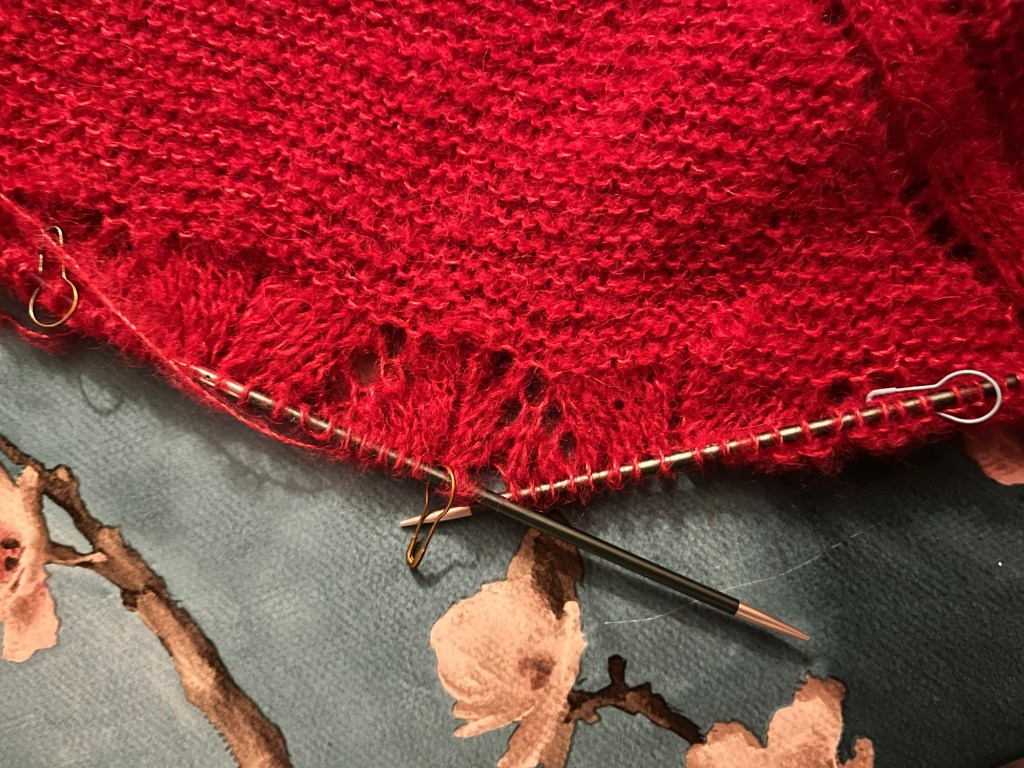
The therapeutic benefits of knitting
Knitting, a centuries-old craft, has recently been recognized for its therapeutic benefits. The repetitive and rhythmic motions involved in knitting can induce a state of mindfulness, similar to meditation. This can help reduce stress levels, lower blood pressure, and even decrease heart rate.
Moreover, knitting requires a level of concentration that can help distract from chronic pain or negative thoughts. It can provide a sense of purpose and achievement, especially when a project is completed. This can boost self-esteem and contribute to improved mental well-being.
Additionally, the social aspect of knitting should not be overlooked. Joining a knitting group or sharing your projects online can foster a sense of community and belonging, which is beneficial for mental health. In conclusion, knitting is not just a creative outlet, but also a valuable tool for enhancing overall well-being.
the history of knitting
1. Ancient Origins: Knitting is believed to have originated in the Middle East in the 5th century and spread to Europe by the 11th century. The oldest knitted artifacts are socks from Egypt, dating from the 11th century CE.
2. Medieval Knitting: In the Middle Ages, knitting was a male-dominated occupation. Knitting guilds were established, where men underwent rigorous apprenticeships to become master knitters.
3. The Knitting Machine: The invention of the knitting machine in the 16th century revolutionized the industry. Hand knitting became less of a necessity and more of a hobby.
4. Knitting in Wars: During both World Wars, knitting for soldiers was a common way for those at home to contribute to the war effort. Patterns for socks, hats, and scarves were distributed, and wool was rationed.
6. Modern Knitting: Today, knitting is enjoyed by people of all genders and ages. It’s seen as a creative hobby, a form of therapy, and even a political act (think of the “pussyhat” project).
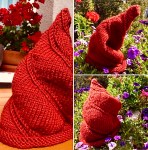
The “Pussyhat Project” is a social movement focused on raising awareness about women’s issues and advancing human rights. It started in 2017 as a response to the inauguration of the U.S. President Donald Trump, and it quickly became a symbol of the Women’s March that took place on January 21, 2017.
The project encouraged people to knit, crochet, or sew pink cat-eared hats, known as “pussyhats”. The name is a play on words, referencing both the cat ears on the hats and a controversial comment made by Trump. The hats became a powerful visual statement, creating a sea of pink at the marches and drawing attention to the cause. The project aimed to provide people who could not physically attend the marches a way to represent themselves and support women’s rights.
What do you also use knitting as therapy?
With love,
Doinita
The therapeutic benefits of knitting
Hello beautiful,
How do you feel today?
As my day starts slowly and I am enjoying a cup of warm coffee, it crossed my mind to share with you some of the benefits of this beautiful craft.

So, here we go…
Knitting, a centuries-old craft, has recently been recognized for its therapeutic benefits. The repetitive and rhythmic motions involved in knitting can induce a state of mindfulness, similar to meditation. This can help reduce stress levels, lower blood pressure, and even decrease heart rate.
Moreover, knitting requires a level of concentration that can help distract from chronic pain or negative thoughts. It can provide a sense of purpose and achievement, especially when a project is completed. This can boost self-esteem and contribute to improved mental well-being.
Additionally, the social aspect of knitting should not be overlooked. Joining a knitting group or sharing your projects online can foster a sense of community and belonging, which is beneficial for mental health. In conclusion, knitting is not just a creative outlet, but also a valuable tool for enhancing overall well-being.
What do you think? Do you share same thoughts?
Let me know in the comments below.
I wish you a wonderful day, my sweet friend! 🤗
Yours,
Doinita


What do you think about Sigma Female?
Are you one of them?
https://youtu.be/V9oQsdgw16M?si=Y8n2Zbf26sZVmxxZ
11 adevăruri crunte
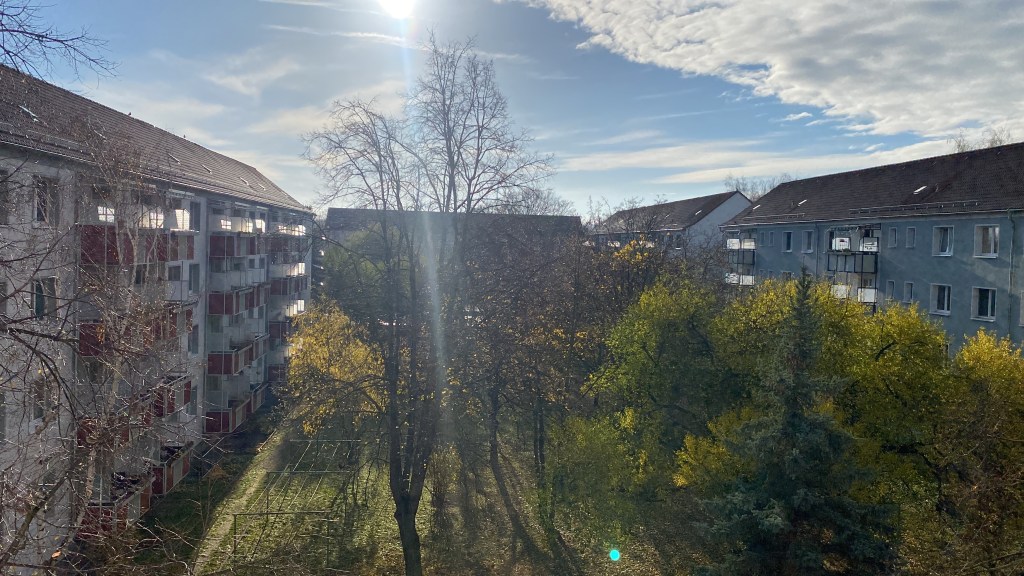
Deschide ochii: 11 adevăruri crunte, care deși n-o să-ți placă, ar fi mai bine să le știi
- Cu toții avem aceleași probleme
S-ar putea să crezi că viața ta este de rahat, dar să nu crezi că ești unicul. Divorț, deces al unei persoane dragi, refuz sau concediere – cu aceste probleme se confruntă multă lume. Încetează să te mai jelești. Problemele tale sunt doar un proces prin care trebuie să treci. - Nu ai nevoie de experiență – niciodată
Multă lume renunță la jobul visurilor pentru că în anunț scrie „Experiența în domeniu de cel puțin 5 ani este obligatorie”. Această frază face parte din șablonul unui anunț de angajare și contribuie la eliminarea candidaților, care nu sunt capabili să treacă de bariere.
Ține minte: uneori cea mai bună experiență este lipsa de experiență și o gândire strălucită. - Cu toții o să ne confruntăm cu pierderea persoanelor dragi – fii gata pentru asta
Acest final este inevitabil, de aceea încearcă să petreci cât mai mult timp cu cei apropiați - Plângerile sunt o pierdere de timp
Plângerile sunt o boală contagioasă, care îi determină pe cei din jur să stea la distanță. Ele te fac să stagnezi, în loc să mergi spre scopurile tale. - Părerea celorlați nu contează
În majoritatea cazurilor, cei care te vorbesc de rău sunt niște ratați, care își proiectează pe tine propriile dorințe, necesități și eșecuri. Ei aleg să trăiască viața în locul tău, pentru că propria lor viață este de rahat. - Nu ai nevoie de studii sau permisiune – ele sunt opționale
Pentru a obține ceea ce vrei nu ai nevoie neapărat de studii și nici de aprobarea cuiva. Există multe metode de autodezvoltare, care nu costă niciun ban. - Nimănui nu-i plac regretele
Studiile au arătat că ultimele gânduri înainte de moarte se referă la regretele a ceea ce nu s-a făcut. Începe o viață fără regrete, fă ceea ce-ți place. - Viața este plină de suferințe, pe care trebuie să le accepți
Într-o oarecare măsură, viața este o tortură. Dar nu uita că suferințele sunt o parte din lupta, ce ne ajută să realizăm lucruri uimitoare. - Încetează să-ți mai irosești timpul
Timpul pe care îl irosești pe acțiuni inutile, ai putea să-l folosești, realizând lucruri frumoase. Nu mai spune că nu-ți ajunge timp să faci sport, să scrii articole sau să compui muzică. Tu ai la fel de mult timp ca și mine. - Recunoștința este o superputere!
După ce am început să țin un jurnal al recunoștinței, eu am învățat să văd mai mult bine în lume. Recunoștința este capacitatea de a menține în cap echilibrul dintre negativ și pozitiv. - Noi cu toții vom muri. Final.
Timpul trece. Citește acest articol și începe să faci ceva cu adevărat important. Inspiră-i pe cei din jur, ai grijă de familie și împacă-te cu gândul că într-o zi va trebui să-ți ei rămas bun de la această lume.
Sursa: Mihaela Ela
Legile Universului,legi pe care nu le poți păcăli sau ocoli

1. Legea dragostei: Iubeşte pe toată lumea ca pe tine însuţi. Toate celelalte legi se subordonează acesteia şi nu intră în contradicţie cu ea. Este o regulă biblică. Se aplică la tot ceea ce facem ca indivizi, familii, oameni de afaceri, organizaţii, ţări. Are o bogăţie, o valoare universală.
2. Legea cauză-efect: Există o ordine universală. Nimic nu este accidental. Totul se întâmplă cu un motiv. Pentru fiecare efect există o cauză sau un set de cauze.
3. Legea gândirii: Gândurile se materializează. Noi devenim ceea ce gândim.
4. Legea echivalenţei mintale: Pentru a avea succes într-un domeniu, trebuie să avem o imagine clară a acelui succes în mintea noatră, o imagine mintală a ideii noastre de succes, o viziune.
5. Legea corespondenţei: Viaţa noastră exterioară este o oglindă a celei interioare. Există o corespondenţă directă între experienţele și gândurile noatre pe de o parte şi atitudinea noastră, pe de altă parte.
6. Legea credinţei: Orice credem cu adevărat devine realitate (inclusiv credinţa noastră că merităm succesul).
7. Legea valorii: Ceea ce credem şi apreciem cu adevărat se reflectă în ceea ce facem, chiar dacă poate cuvintele noastre sugerează altceva.
8. Legea motivaţiei: Tot ceea ce facem este declanşat de dorinţele noastre interioare, nevoi şi instincte, multe dintre ele venind din subconştient.
9. Legea activităţii subconştiente: Subconştientul nostru ne avertizează despre lucrurile din jur, în concordanţă cu dorinţele şi grijile noastre cele mai puternice.
10. Legea expectanţei: Ceea ce preconizăm cu încredere că se ve întâmpla, chiar se va materializa.
11. Legea concentrării: Indiferent asupra a ce ne concentrăm şi ne gândim în mod repetat, devine din ce în ce mai mult o parte a vieţii noastre interioare.
12. Legea obișnuinţei: Aproape tot ce facem este automat, rodul unui obicei. Obisnuinţele care ne îndepărtează de ţelurile noastre trebuie schimbate.
13. Legea atracţiei: Suntem cu toţii niște magneţi vii. Atragem oameni, întâmplări şi împrejurări care se armonizează cu gândurile noastre dominante.
14. Legea alegerii: Suntem liberi să alegem ceea ce gândim şi în consecință suntem liberi să alegem toate celelalte părți ale vieții noastre.
15. Legea optimismului: O atitudine mentală pozitivă, merge mână în mână cu succesul și fericirea. Optimismul ne face plăcuți și vioi, mai susceptibili de a reuşi.
16. Legea schimbării: Totul se schimbă, nimic nu este fix. Dacă nu profităm de schimbare vom deveni victimele ei.
17. Legea controlului: Avem părere bună despre noi înșine a faptului că simțim că ne controlăm propria viață.
18. Legea responsabilităţii: Suntem pe deplin responsabili de ceea ce suntem, ceea ce avem, ceea ce devenim, şi tot ceea ce reuşim.
19. Legea compensaţiei: Cu ceea ce contribuim sau investim, aceea vom obţine. Întotdeauna vom fi recompensaţi pe deplin pentru ceea ce facem.
20. Legea serviciilor: Recompensa noastră va fi direct proporţională cu valoarea serviciilor aduse celorlalți (sau, cum se spune, fii un stăpân cu inima unui servitor).
21. Legea efortului aplicat: Toate lucrurile sunt sensibile la efort. De fapt, cu cât muncim mai mult, cu atât devenim mai “norocoși”.
22. Legea supra-compensației: Trebuie ca întotdeauna să “investim” mai mult decât obținem; altfel nu vom obține niciodată mai mult decât avem în acest moment. Trebuie să facem mai mult pentru ceea ce suntem “plătiți” pentru ca în timp să fim răsplătiți cu mai mult pentru ceea ce facem. Principiul “oferă mai întâi pentru a primi mai tarziu”.
23. Legea “pregatirii“: “Performanța vine în urma unei pregătiri intense. Adevărații profesioniști investesc mai mult timp decât alții în pregătire.
24. Legea eficienței forțate: Pe măsură ce acționăm devenim mai eficienți. Niciodată nu avem timp să le facem pe toate, dar avem suficient timp să facem lucrurile cu adevărat importante.
25. Legea deciziei: Orice salt înainte își are radăcina într-o decizie hotărâtă de a acționa. Și dacă o facem cu îndrăzneală, vom avea de partea noastră un sprijin nebănuit/neașteptat.
26. Legea creativității: Orice progres începe cu o idee în mintea cuiva. Tot ceea ce mintea noastră poate concepe și crede cu adevărat, poate să şi obţină.
27. Legea flexibilității: Ai șanse mai mari de reușită dacă știi clar ce vrei să obții dar rămâi flexibil în privința felului în care vei acționa. Inflexibilitatea te poate face să ratezi oportunități.
28. Legea perseverenței: Abilitatea noastră de a persevera, în ciuda obstacolelor și a dezamăgirilor, denotă încredere în noi înșine. Perseverența este “o calitate de fier” în drumul spre succes.
De Peter Arnold
Elena Veturia












 Make it Beautiful - Inner Growth Studio
You must be logged in to post a comment.