Make it Beautiful - Inner Growth Studio
Your inspirational site for handmade garments and crafting products for your home.
Tunisian Crochet
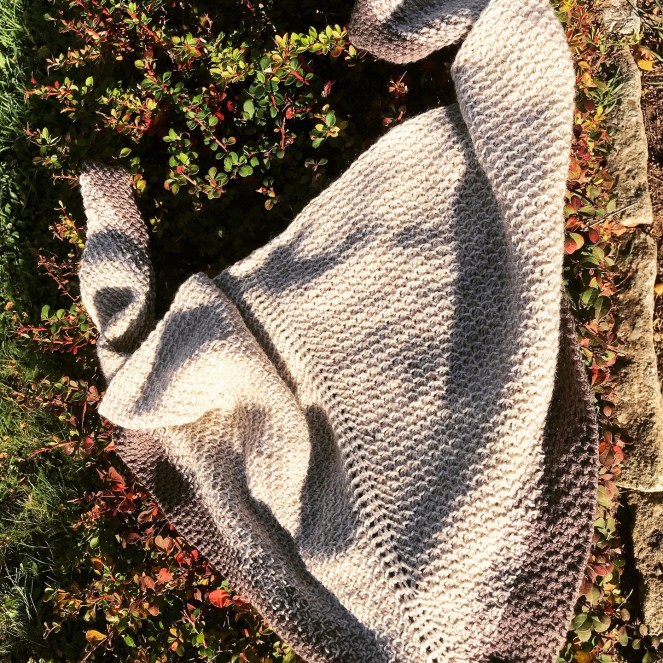
Introduction in tunisian crochet
Have you always wanted to be able to knit but you are better at crocheting?
Would you like to be able to finish a project faster, and knitting takes too long?
Well, I have a solution for you.
Take a crochet hook with a longer tail, usually 30 cm, or a shorter crochet hook with a long leash, made of plastic or a crochet hook with a double end.
Tunisian crochet has about the same characteristics as a normal crochet, the difference is that in Tunisian crochet all the stitches in a row will be on the crochet.
The normal crochet has a shorter body and a handle, instead, the Tunisian crochet is much longer or has a long plastic leash attached to it, like the knitting needles.
In Tunisian crochet you will only work on the front side of the work.
A complete row is considered when you work a forward row, as you pick up the stiches and a return row. It will be much more understandable soon 🙂
Like the normal crochet hook, the Tunisian crochet hook can have a round or sharp head, as well as a beveled neck or parallel to the crochet hook cylinder.
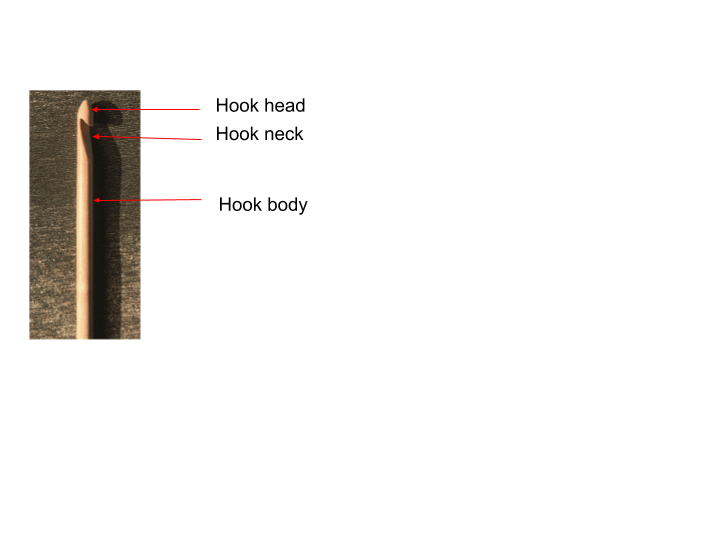
A sharp head can help pierce the material but, at the same time, it can break it. On the other hand, a rounded head will not break the fiber of the material but it will be harder to pierce the material, especially if the work is tightly worked.
Crochet neck can be “Inline” and “Not Inline”.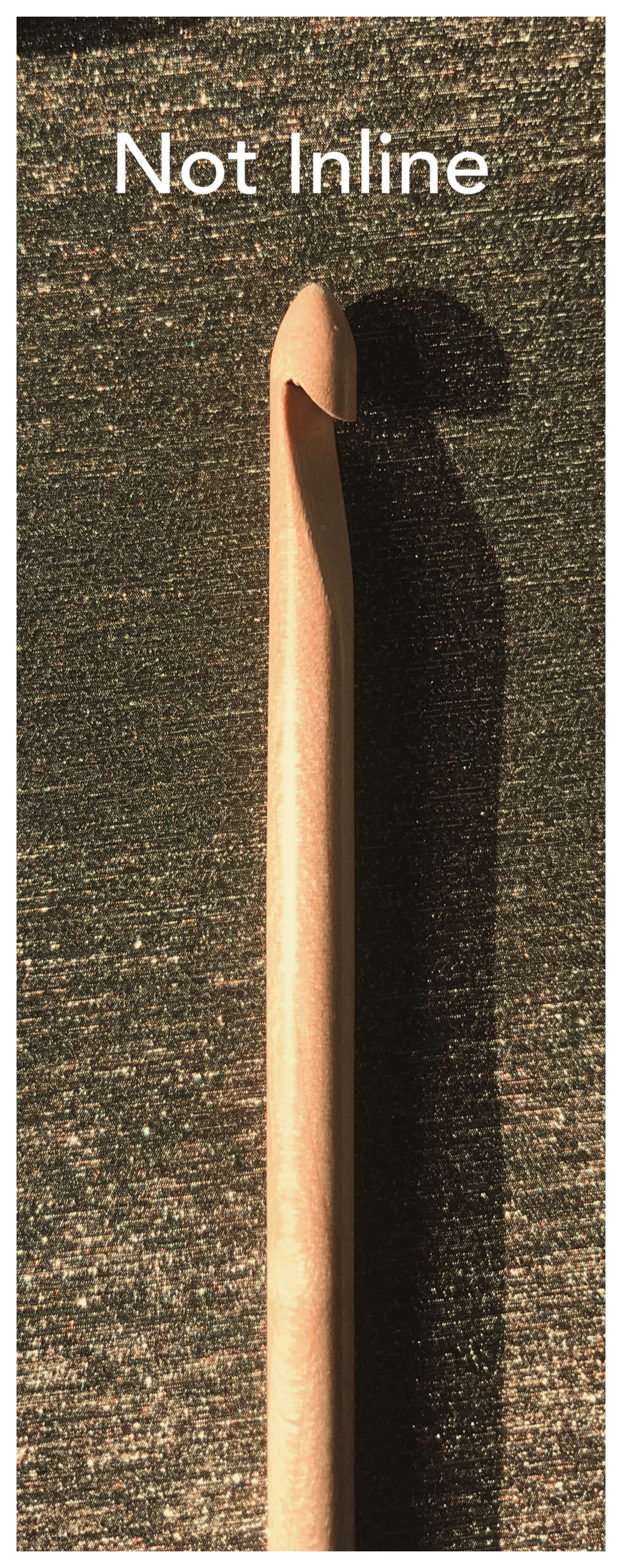
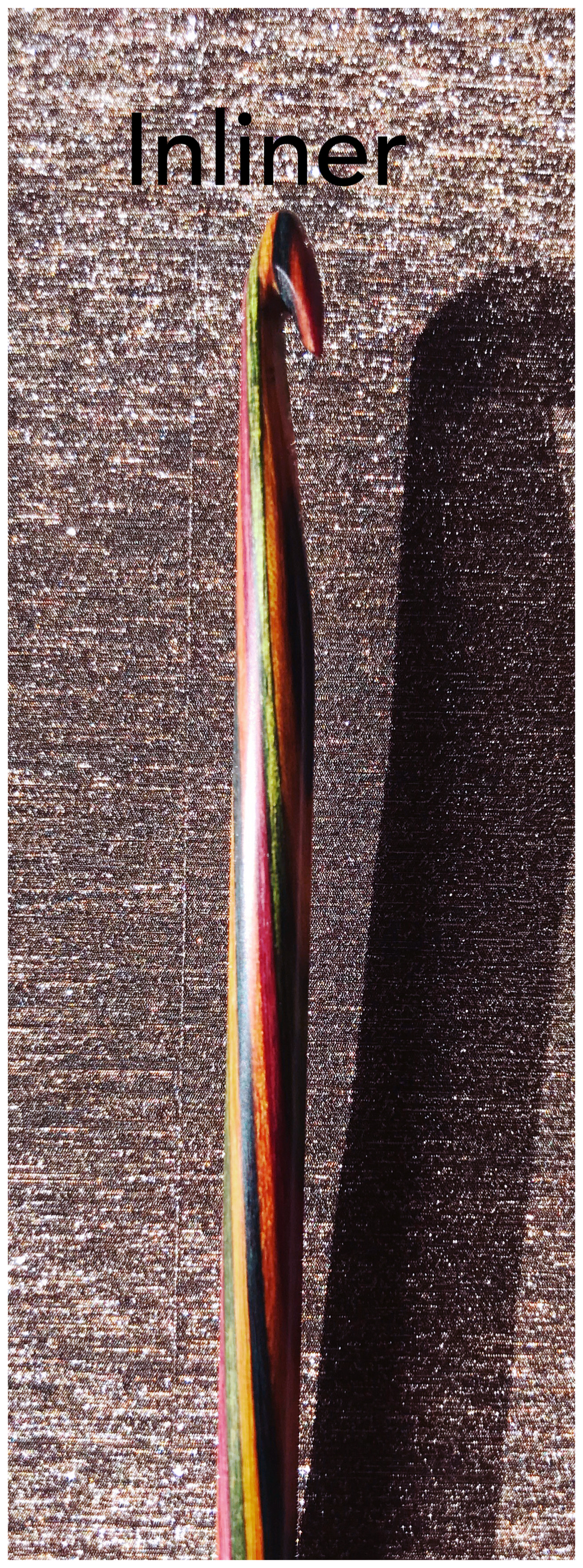
The “Inline” crochet hooks have a notch on the head that almost does not protrude from the crochet hook cylinder instead, the “Not Inline” crochet hooks have the head notch protruding from the crochet droplet cylinder, as can be seen in the pictures above.
The type of crochet head will also determine how it works. Some people may notice that it will be harder to work with a “Not Inline” crochet hook and a slippery thread, for example.
We can find Tunisian crochet hooks in various materials. From aluminum to precious materials such as bone or oak.
Oak wood is well known for its robustness and its therapeutic properties. Oak is a strong and robust tree and can live up to 1000 years. An old oak can have a diameter of up to 10-12 m! In general, oak can reach a height of up to 30-35 m and 2-4 m in diameter.
Because oak drying must be done slowly, over time, respecting the drying cycles, generally about 10-12 years, oak wood thus becomes a precious one and is therefore considered a luxury wood.
Therefore, crochet hooks made of this material are also considered luxury crochet hooks.
The way the crochet head is made or the material from which the crochet is made, together with the chosen thread will influence the final appearance of the product.
For a beautiful final look, it is recommended that the thread, when is in tension, to be kept on the body of the crochet hook and not on its neck.
The size of Tunisian crochet hooks varies from 3.00 mm to 8.00 mm.
We have :
3.00 mm, 3.50 mm, 4.00 mm, 4.50 mm, 5.00 mm, 5.50 mm, 6.00 mm, 6.50 mm, 7.00 mm and 8.00 mm
The reason we do not have crochet hooks smaller than 3.00 mm or larger than 8.00 mm is because the resulting work will be quite thick, suitable for winter days. That’s why we shouldn’t use a bulky or super bulky thread (anyway, super bulky threads are worked by hand and less with needles or crochet hooks).
But, in my opinion, we can also work tunisian clothes for warmer periods, when we use a fingering weight yarn and an 8.00mm size crochet hook, together with a lace model.
What can we work with the Tunisian crochet hook?
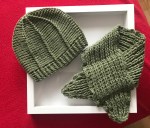
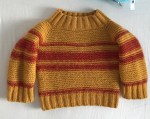
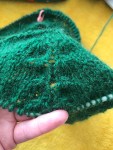
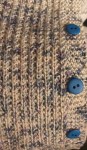
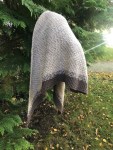
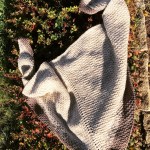
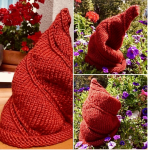
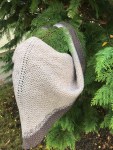
We can work with decorative objects, such as decorative pillowcases, baby blackets, throws like Lapgan, Graphgan, Scrapghan, as well as clothes for babies, children and adults.
You can work both straight and round. On the round you can use a crochet hook with two ends and two balls or a single ball with a hook with a long thread attached.






 Make it Beautiful - Inner Growth Studio
You must be logged in to post a comment.